

How to clean melamine laminated chipboard countertops?
Oct 28, 2026
Leave a message
If you’ve ever installed melamine laminated chipboard countertops in your kitchen, workshop, or office breakroom, you know how good these surfaces are—they’re affordable, durable, and come in dozens of finishes to match any space. But like any countertop, they get dirty: coffee spills, crumbs, grease splatters, and even sticky kids’ crafts can leave marks over time. The tricky part? Clean them wrong, and you might end up with scratches, faded spots, or a dull finish that takes away from all the benefits of your melamine surfaces.
As a supplier who’s worked with [Melamine Laminated Chipboard] (/melamine-faced-chipboard/melamine-laminated-chipboard.html) for years, I’ve helped hundreds of contractors, homeowners, and small business owners choose the right melamine products and care for them properly. Today I’m sharing the science-backed steps to clean melamine laminated chipboard countertops the right way, plus common mistakes to avoid that could damage your surface for good.
First: Understand What Makes Melamine Laminated Chipboard Different
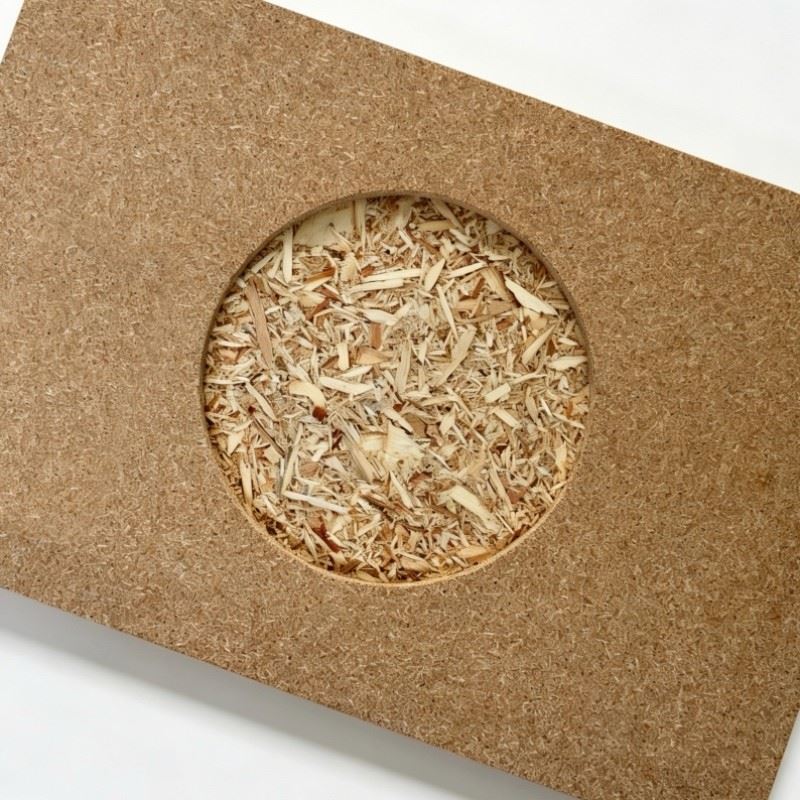
Before we dive into cleaning, it helps to remember what your countertop is made of. Melamine laminated chipboard (often called MFC for short) is a engineered wood core (usually compressed wood particles) covered in a hard, thin melamine resin layer. This layer is heat-pressed onto the chipboard, which is why it’s resistant to stains and scratches—but only if that melamine layer stays intact.
That’s why the first rule of melamine care is never to scrub with anything abrasive, or use harsh chemicals that can eat away at the melamine finish. I’ve seen too many clients ruin their new countertops by grabbing a steel wool pad or industrial cleaner when a simple wipe would have done. For context, the [8x4 Melamine Faced Chipboard] (/melamine-faced-chipboard/8x4-melamine-faced-chipboard.html) panels we supply are tested to resist minor scratches and daily spills, but they’re not indestructible.
Gather Your Tools: No Harsh Stuff Required
You don’t need fancy, expensive cleaning products to keep your melamine countertops looking like new. Most of what you need is already in your home or office. Here’s my go-to cleaning kit, tailored for melamine:
- Soft microfiber cloths: These are non-abrasive and will pick up dirt without scratching the melamine surface. Avoid paper towels if possible—they have small wood fibers that can leave tiny scratches over repeated use.
- Mild dish soap: Plain, unscented dish soap (like Dawn Ultra or Seventh Generation Free & Clear) is gentle enough for melamine but cuts through grease and food residue. Skip dish soaps with added bleaches or moisturizers—those can discolor the melamine finish over time.
- Warm water: Hot water isn’t necessary for daily cleaning, but it can help lift tough stains like dried coffee or sauce without harsh chemicals.
- Non-abrasive sponge (only the soft side): If you need a little extra scrubbing power, use the blue non-scratch side of a kitchen sponge—never the green scrubber side, which is abrasive.
- White vinegar (optional, for deep cleans): A 50/50 mix of white vinegar and warm water works great for removing tough stains like coffee or wine, and it’s non-toxic. Skip vinegar if you have a matte-finished melamine, though— it can dull matte surfaces over time.
- Baking soda (optional, for gentle stain lifts): A thin paste of baking soda and water is a gentle abrasive that can lift sticky residue like gum or candle wax without scratching the melamine layer.
Step-by-Step Cleaning Routine for Melamine Countertops
I break down cleaning into three categories: daily maintenance, deep cleaning for tough stains, and periodic care to keep the finish looking bright. Stick to this routine, and your melamine countertops will last for years.
1. Daily Maintenance: Wipe Up Small Messes Right Away
This is the most important step for preventing permanent stains. Melamine is stain-resistant, not stain-proof—so leaving a spill on the surface for hours or days gives it time to seep into the tiny gaps in the melamine layer (or even into the chipboard core if the edge of your countertop isn’t sealed).
How to do it:
- Take a damp microfiber cloth, wring it out well so it’s only slightly wet (too much water can seep into the unsealed edges of chipboard and cause warping).
- Wipe the spill in gentle, circular motions, starting from the outer edge of the spill and moving inward to avoid spreading it.
- For extra greasy messes (like bacon grease or pizza oil), add a drop of mild dish soap to your damp cloth before wiping.
- Dry the surface with a fresh, dry microfiber cloth right after—this prevents water spots, which are especially noticeable on glossy melamine finishes.
This daily step takes 30 seconds and keeps most messes from becoming permanent. I tell every customer who buys [Melamine Mfc Board] (/melamine-faced-chipboard/melamine-mfc-board.html) from us that consistent daily wiping is the easiest way to extend the life of their countertops.
2. Deep Cleaning: Remove Tough Stains and Sticky Residue
Even with daily wipes, you’ll eventually deal with tough stains: dried coffee, wine, pen marks, or sticky syrup. Here’s how to tackle them without damaging your melamine.
Common tough stains and their solutions:
- Food residue or sticky messes (like candle wax, gum, or syrup):
- First, lift as much of the mess as possible without scraping. For gum or wax, place a few ice cubes in a plastic bag and hold it against the mess for 2-3 minutes to harden it. Once it’s hard, gently scrape it off with the edge of a plastic credit card or a wooden spatula—never use a metal knife, which can scratch the melamine.
- Next, make a baking soda paste: mix 2 parts baking soda with 1 part warm water until it’s a thick, spreadable consistency.
- Apply a thin layer of the paste to the stain, let it sit for 2-3 minutes (don’t leave it on for more than 5 minutes, as baking soda is slightly abrasive over time).
- Gently scrub the stain with the soft side of a non-abrasive sponge, then wipe the paste away with a damp microfiber cloth and dry thoroughly.
- Coffee, tea, or wine stains:
- For fresh stains: Wipe up immediately with a damp cloth and a drop of dish soap, then dry.
- For dried stains: Make a 50/50 mix of white vinegar and warm water, dampen a microfiber cloth with the solution, and lay it over the stain for 1-2 minutes.
- Gently wipe the stain, then rinse the area with plain warm water and dry. If the stain is still there, repeat with a small amount of baking soda paste as above.
- Pen or marker marks:
- Use a little rubbing alcohol (isopropyl alcohol, 70% or higher) on a microfiber cloth. Rub the mark gently, and it should lift right off. Never pour alcohol directly onto the countertop—this can seep into edges or cause discoloration.
- After removing the mark, wipe the area with plain warm water to remove any alcohol residue, then dry.
3. Periodic Care: Keep Your Melamine Finish Looking Bright
Every 1-2 months, do a deep clean to remove built-up grease and grime that daily wipes miss. This is also a good time to check for any scratches or chips that need touch-ups.
Here’s how to do a full periodic clean:
- Clear all items from your countertops (small appliances, cutting boards, etc.) so you have full access to the surface.
- Mix your cleaning solution: For glossy melamine, use 1 gallon of warm water with 1 teaspoon of mild dish soap. For matte melamine, use only warm water (avoid soap, which can leave a dull film on matte finishes).
- Dampen a large microfiber cloth with the solution, wring it out until it’s only slightly damp, and wipe the entire countertop in long, gentle strokes.
- For areas with extra built-up grease (like near a stovetop), use a little extra dish soap and the soft side of your sponge to gently scrub.
- Rinse the cloth frequently and wipe down the entire surface a second time with plain warm water to remove all soap residue.
- Dry the entire countertop with a fresh, dry microfiber cloth—this prevents water spots and streaks, especially on glossy melamine.
- After drying, take a close look at the surface. If you notice any minor scratches, you can use a melamine repair pen (matched to your finish color) to fill them in. Avoid over-the-counter scratch removers for wood surfaces—they can be too abrasive for melamine.
Common Mistakes to Avoid That Damage Melamine Countertops
Over the years, I’ve seen clients make these simple mistakes that ruin their melamine countertops. Don’t do these:
- Using abrasive cleaners or tools: Steel wool, green scrubber pads, Comet, or other harsh scrubbing products will scratch the melamine finish permanently. Even "gentle" abrasive cleaners like Bar Keepers Friend can damage melamine if used too often.
- Leaving excess water on the surface: Melamine is water-resistant, not waterproof. Too much water left on the countertop, especially around the unsealed edges, can seep into the chipboard core and cause warping over time. Always dry the surface after cleaning.
- Placing hot items directly on the countertop: Melamine has a heat-resistant rating, but it’s not heat-proof. A hot pan straight from the stove or oven can cause a permanent burn mark or discoloration. Always use a trivet or heat pad under hot items.
- Using bleach or ammonia-based cleaners: These can fade the melamine finish, especially colored or patterned melamine. Stick to mild dish soap, vinegar, or rubbing alcohol for cleaning.
- Scraping with metal tools: Metal knives, screwdrivers, or metal scrapers will scratch the melamine layer. Only use plastic or wooden tools to scrape hard messes.
When to Replace or Repair Melamine Countertops
Melamine countertops are built to last, but they’re not invincible. If you have a deep chip or crack that goes all the way through the melamine layer to the chipboard core, it’s time to either repair or replace the section. For small chips, you can use a melamine wood filler matched to your finish, but deep cracks can let moisture and bacteria get into the core, which is a hygiene risk for kitchens.
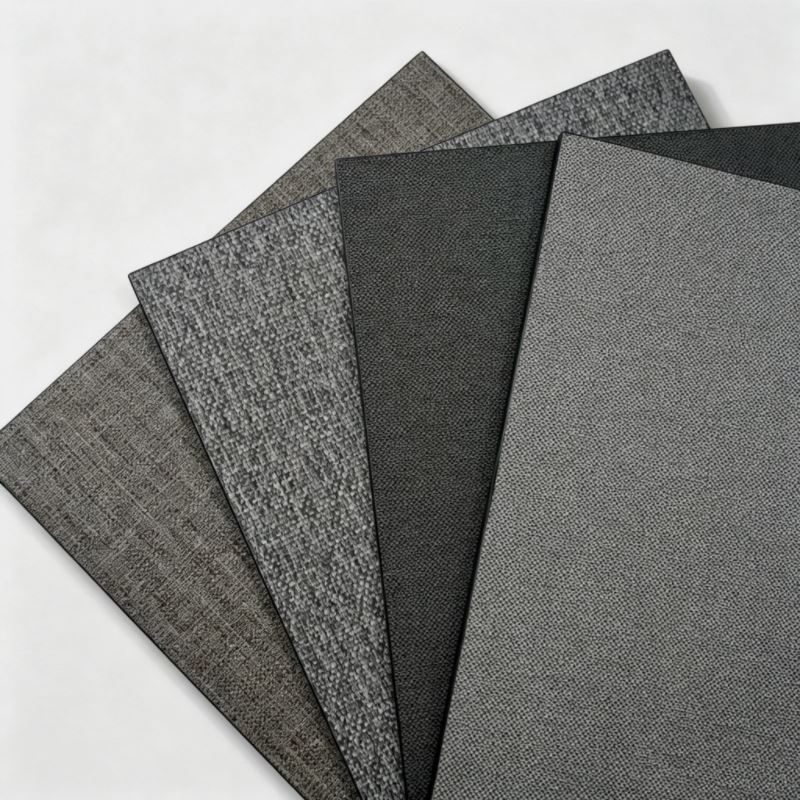
If you’re looking to replace old countertops or install new ones, the [Melamine Laminated Chipboard] panels we supply are a great choice—they come in a wide range of finishes, from solid colors to wood grains, and are engineered to resist the daily wear and tear of busy spaces. Our [8x4 Melamine Faced Chipboard] panels are perfect for countertops because they’re large enough to cut to size with minimal seams, which makes installation faster and gives a cleaner look.
Ready to Get Started?
Taking care of melamine laminated chipboard countertops is simple when you use the right products and avoid common mistakes. The key is to clean up messes quickly, use gentle cleaners, and give your countertops a little periodic care to keep them looking their best.
If you’re a homeowner looking to upgrade your kitchen countertops, a contractor in need of bulk melamine panels, or a business owner equipping an office or workshop, we have a range of melamine products to fit your needs. Our team can help you choose the right [Melamine Mfc Board] or custom-sized panels for your project, and we’re happy to answer any questions about care and installation. To connect with our team for a quote or to learn more, get in touch with our sales team today.
References
- Melamine Resin and Laminate: Properties and Applications. European Committee for Standardization, 2019.
- Engineered Wood Products: Care and Maintenance for Residential Surfaces. Wood Industry Association, 2021.
- Household Cleaning Products: Impact on Laminate and Melamine Surfaces. Journal of Home Economics, 2020.