

Does melamine chipboard need to be sealed?
Oct 27, 2026
Leave a message
If you’ve ever shopped for furniture, cabinet parts, or even DIY project materials, you’ve definitely run into melamine chipboard. Chances are, if you’ve clicked around for affordable, durable building supplies, you’ve also seen terms like melamine MFC board or melamine laminated chipboard pop up a lot. As someone who’s worked in the melamine laminated chipboard supply game for years, I get so many questions that boil down to one: “Do I actually need to seal this stuff?”
Let’s cut to the chase—sealing building materials is a big debate, especially for melamine. Some people swear by adding sealant to every surface, others say it’s a total waste of time, and a lot of folks just plain old don’t know where to start. Before we dive into the “why” or “why not” of sealing, let’s break down what melamine chipboard actually is, because that’s the foundation of this whole conversation.
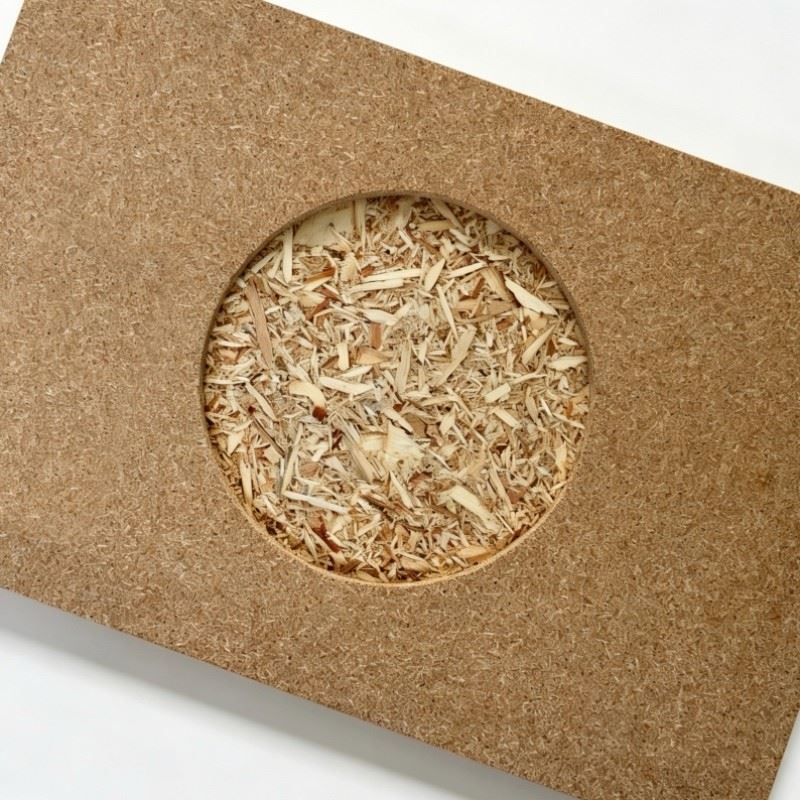
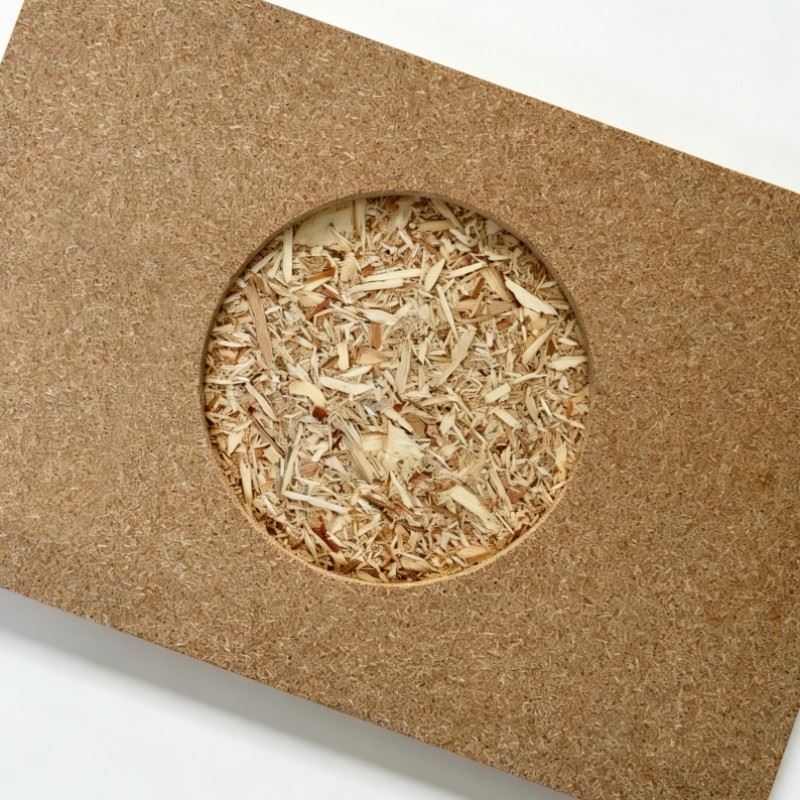
Melamine laminated chipboard starts as regular particleboard (or chipboard) — small wood chips compressed super tight with resin to make a sturdy, flat core. Then we press a thin, decorative melamine layer onto the whole thing. That melamine layer is like a hard, plastic-y print — it can be wood-grain, solid color, even stone-style — and it’s meant to be the protective face of the board. So on the surface, it sounds like it already has a seal, right? That’s where most people’s confusion kicks in.
First, let’s clear up what that melamine layer actually does. For most everyday uses — like cabinet sides, wall panels, bookshelves, or table tops that don’t get a ton of heavy, constant water exposure — that melamine finish is enough to keep the board safe. It’s scratch-resistant, stands up to minor spills, and doesn’t fade easily if you get the right quality melamine MFC board. But here’s the catch: the melamine only covers the main, flat faces of the board. The edges? The ends where you cut the board to size, or the sides that are left open when you assemble furniture? Those are pure, porous chipboard. That’s where all the trouble starts.
Porous chipboard loves moisture. If you leave a raw edge exposed, even a small spill (like a coffee cup left on a desk edge, or a drip from a bathroom cabinet) can soak into that chipboard. Once moisture gets in, the chips start to swell, and that’s a one-way ticket to warped, wobbly furniture. Over time, exposed edges can also get dinged up, or even attract dust and pests if they’re in a garage or basement. So now we’re getting to the real question: do you need to seal that?
Let’s split this into two scenarios: when sealing is actually necessary, and when it’s just extra work.
First, when sealing is non-negotiable. If your project is in a high-moisture area — think a bathroom vanity, a kitchen cabinet that’s right above a sink, or an outdoor bench that’s exposed to rain and humidity — sealing the edges is almost always a good idea. Even if you’re using a high-quality melamine laminated chipboard, that raw edge is still porous. I’ve seen so many customers panic when their bathroom vanity edge swelled after just a year because they skipped sealing.
Another time sealing makes sense is if you’re cutting the board extensively. Most standard melamine-faced chipboard comes in 8x4 melamine faced chipboard sheets, right? But if you’re cutting those down into smaller pieces for cabinets or shelving, every single cut edge is raw chipboard. If you leave those open, they’re basically just waiting for moisture to do damage. And if you’re building furniture that will get heavy use — like a dining table where people might set wet plates or glasses — sealing all edges adds an extra layer of protection, even if the main melamine surface gets a spill.
Now, when is sealing a total waste? If you’re using the board for a low-stakes, dry project with zero moisture exposure — like a bookshelf going in a dry office, a decorative wall panel in a living room that never gets splashed, or a shelf for your closet that’s not near any water. In those cases, the melamine edge doesn’t need extra sealing. The only edge you might need to worry about is if you’re going to sit the board on a damp floor, but that’s more about placement than the board itself.
Wait, but what kind of sealant should you use, if you do decide to seal? That’s another common question I get. A lot of people think you need fancy wood sealant or polyurethane, but that’s not always the case for melamine edges. The best options for melamine chipboard edges are actually:
- Melamine edge banding tape: This is probably the easiest option. It’s a thin roll of the same melamine finish as the board, you just iron it on (it has a heat-activated adhesive back) and trim the excess. It looks seamless, keeps the protective finish consistent, and it’s way faster than brushing on sealant. For most DIYers, this is the go-to.
- Latex-based sealant: If you don’t want to use edge banding, a thin coat of water-based latex sealant works too. It dries clear, doesn’t yellow over time, and it’s easy to apply with a small brush. Just make sure to let it dry fully before using the board — usually 24 hours is enough.
- Epoxy: If you want super heavy-duty protection, epoxy works great, especially for tables or areas that get a lot of spills. But it’s a bit more work to apply, so it’s better for larger projects than small DIY fixes.
There’s one myth I need to bust right now: some people think you don’t need to seal melamine because it’s “waterproof.” Newsflash — melamine is water-resistant, not waterproof. It can handle a quick spill, but prolonged moisture will get to those edges. I’ve had customers tell me, “I used melamine for my kitchen cabinets and they’re fine!” — that’s great, but if their cabinet edges are sealed, that’s why. If someone else has the same exact cabinets and their edges are raw, they’ll have issues.
Another thing to consider: cost. Sealing your melamine chipboard edges takes time and a little extra money, but it’s way cheaper than replacing warped furniture a year or two later. A roll of edge banding is like $10-$15, and a small can of sealant is even less. Compare that to buying new cabinet doors or a bookshelf that swelled because you skipped this step — easy call.
But wait, let’s circle back to the original question: does melamine chipboard need to be sealed? The short answer is: it depends. If you’re using it in a dry, low-traffic area with minimal moisture exposure, no, you don’t need to seal it. If you’re working in a high-moisture space, cutting the board to size, or building something that gets regular contact with water, then yes, sealing the edges is a smart move that will make your project last longer.
As someone who’s been in the melamine laminated chipboard business for years, I’ve seen both sides. I’ve helped a customer put together a custom desk with raw edges, and it started swelling after a month because they kept their water bottle there. I’ve also helped another customer use edge banding on their bathroom vanity edges, and it’s still in perfect shape 5 years later. The difference was simple: they planned ahead and sealed the vulnerable parts.
If you’re still on the fence, here’s a quick checklist to help you decide:
- Is the area where you’re using the board exposed to water or high humidity? → Seal edges.
- Are you cutting the board from a larger sheet (like the 8x4 melamine faced chipboard I mentioned earlier)? → Seal all cut edges.
- Will your project get heavy use (like a dining table, a play table for kids, or a cabinet that holds wet dishes)? → Seal edges.
- Is it a low-stakes, dry project (like a decorative shelf in a guest room)? → No need to seal.
One last tip: if you’re not sure what type of melamine board is best for your project, don’t hesitate to reach out. I work with all sorts of builders and DIYers, and helping them pick the right melamine MFC board or melamine laminated chipboard for their specific needs is part of the job. Whether you need a small 8x4 sheet for a weekend project or a bulk order for a commercial build, I’m here to help make sure you get the right materials, and even give a few tips on sealing if you need them.
At the end of the day, sealing melamine chipboard isn’t a mandatory step for every project — but it’s a simple, low-effort way to protect your work and save you from headaches down the line. If you’re ready to grab the right melamine board for your next project, or just have more questions about sealing and care, feel free to connect with me. I’m always happy to help fellow builders and DIYers get the most out of their materials.
References
- Wood Database. (2022). Particleboard and Engineered Wood Moisture Resistance. Retrieved from wood-database.com
- Melamine Laminate Council. (2023). Guide to Melamine Finished Panel Care and Maintenance. Retrieved from melaminecouncil.org
- DIY Network. (2021). How to Seal Melamine Board Edges. Retrieved from diynetwork.com