

Can Melamine MFC board be used for shelving units?
Nov 12, 2026
Leave a message
Hey everyone! If you’re a regular here, you know I’ve been in the melamine MFC board game for a hot minute – I’ve talked to cabinet makers, DIY enthusiasts, even folks putting together garage shelving units who’ve had the same question: “Can I actually use melamine MFC board for shelving?”
Look, let’s cut to the chase first – yes, it absolutely can work. But I get why people hesitate, right? Shelving is work. It’s holding up books, tools, storage bins, even heavy decor. If your shelf bends or warps, that’s not just a hassle – that’s stuff falling, frustration, maybe even a trip to the ER if something big comes crashing down. So today, I’m breaking this down like I do with every customer that hits my inbox or walks through our door. No jargon, no fluff, just the real deal.
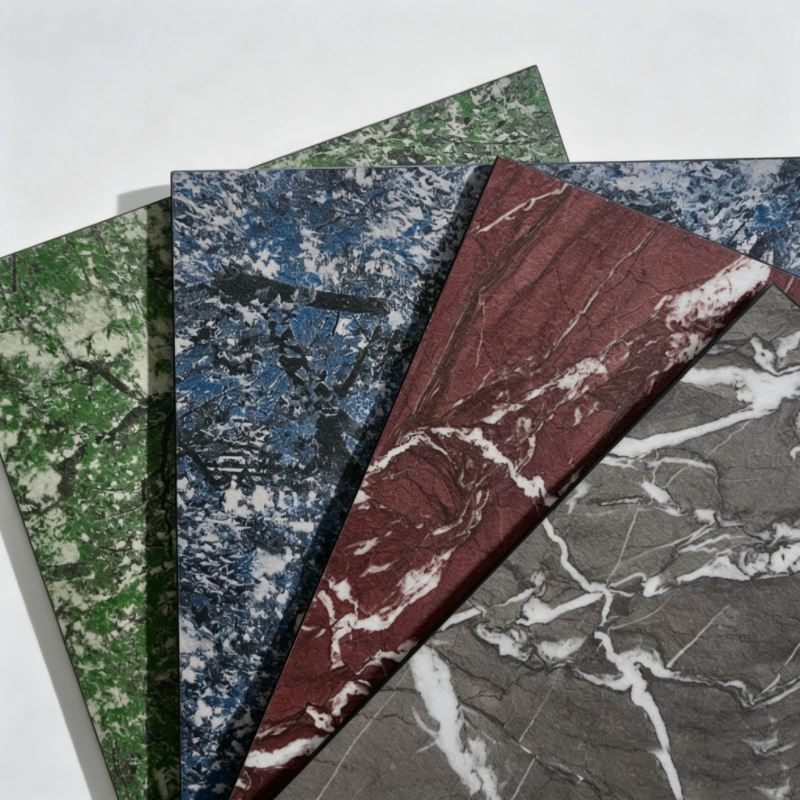
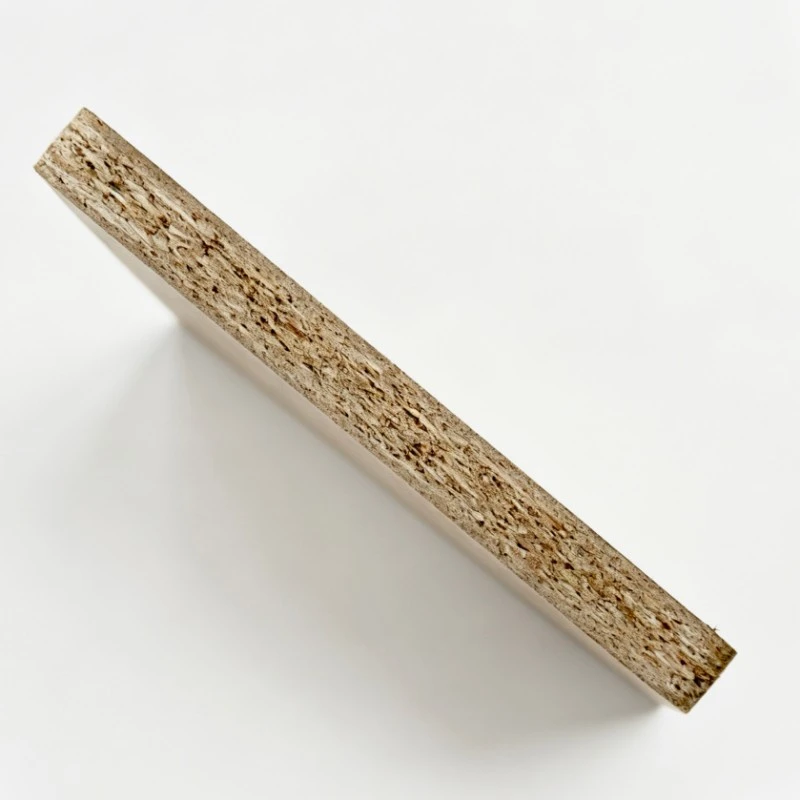
First, let’s get on the same page about what we’re talking about here – because not all melamine boards are created equal. A lot of people mix up melamine MFC board with other stuff, so let’s clarify that. MFC stands for Medium Density Fibreboard? Wait no, actually wait – no, MFC here is chipboard (particleboard) core, right? Wait, let me make that clear: Melamine MFC board is a composite made of wood chips pressed super tight with resin, then coated with a hard melamine laminate. That coating is game-changing. It’s scratch-resistant, stain-proof, easy to wipe down – perfect for spaces that get messy, like garages, pantries, or kids’ rooms. For context, you can check out the full specs on our Melamine Mfc Board page here.
Wait, why does that matter for shelving? Because shelving needs two main things: strength and surface durability. The melamine coating is the protective layer that keeps the core from getting damaged if you drag a hammer across it or spill soda on it while stacking. But the actual strength comes from the core – that pressed wood chip structure. It’s dense, rigid, and way cheaper than solid wood or plywood, which is why it’s such a popular pick for shelving.
Now, let’s talk about the big “shelf bending” myth. A lot of people go, “Melamine is flimsy, right?” Only if you buy the cheap stuff at the big-box store that’s got a core made of loose, inconsistent chips. Here’s the thing: when you’re picking melamine MFC for shelving, you need to match the board thickness to what you’re putting on it. For example, if you’re doing pantry shelves that hold canned goods (super heavy, right?), you don’t want a 5/8-inch board spanning 4 feet. That’s gonna sag. But if you go with a 3/4-inch melamine laminated chipboard, that can span up to 48 inches no problem – I’ve had customers use these for full garage shelving systems holding everything from power tools to garden supplies. If you want to see common sizes, like the 8x4 Melamine Faced Chipboard that’s perfect for cutting to shelf lengths, here’s that link. The 8x4 sheet is the standard, so it cuts super easily to whatever size you need – no weird custom orders, no extra cost.
Wait, let’s get into a real example. Last month, a guy named Jake reached out to me – he’s a contractor doing a basement renovation for a family that wanted built-in shelves for their book collection and holiday decor. He was debating between solid pine and melamine MFC board. I walked him through it: solid pine would look nice, but it’s prone to warping in damp basements, and it’s more expensive. The melamine MFC would hold up better to humidity, be scratch-resistant if the kids drag toys on the shelves, and way easier to clean. We went with the 3/4-inch thickness, spaced the supports every 16 inches (which is standard for most shelving, by the way), and he’s since sent me a pic of the finished shelves – no sag, no issues. The family even spilled a glass of grape juice on one, and it wiped right up. That’s the win.
But wait, there are caveats. You can’t just take any old melamine board and call it a shelf. Let’s get into the do’s and don’ts here.
First, do check the board’s core density. The melamine layer is tough, but if the core is low-quality (loose chips, not enough resin), it’ll break under heavy load. That’s why I only source boards that have a minimum density of 650 kg/m³ for shelving – that’s the sweet spot for strength without being too heavy to handle. You can read more about how that works on our Melamine Laminated Chipboard page, which breaks down the core composition and testing we do to make sure every board meets that standard.
Second, don’t skip the support structure. This is the #1 mistake people make with melamine shelving. Even the strongest board will sag if it’s spanning too far or not supported evenly. For 3/4-inch boards spanning up to 4 feet, space the wall supports (or shelf brackets, whatever you’re using) every 12 to 16 inches. If you’re going longer than 4 feet, add a mid-support – like a shelf bracket mounted in the middle of the span. I’ve seen people try to go 5 feet with a 3/4-inch board and no mid-support, and it ended up with a 1/2-inch sag. That’s not safe, and it’s avoidable.
Third, do use the right hardware. Melamine is particle-based, so regular screws might not hold super tight long-term if you’re putting a lot of weight on them. I always recommend using euro screws or self-tapping screws specifically made for composite boards. They thread into the core better, so you don’t have to worry about the screw pulling out over time. If you’re using shelf brackets, make sure they’re rated for at least the weight of what you’re storing. For pantry shelves holding 50 lbs per linear foot, use brackets rated for 75 lbs each.
Fourth, don’t use thin boards for heavy items. If you’re shelving in a garage for power tools (which can be 20+ lbs each), or a basement for wine collections (bottles are heavy, and you don’t want them falling), skip the 1/2-inch boards. Even 5/8-inch might be too thin – go 3/4-inch minimum. We have customers who use 1-inch melamine MFC for heavy equipment shelves, and that’s overkill, but it works if you’re storing really big, heavy stuff.
Another thing: humidity. If you’re putting shelves in a bathroom or a damp basement, melamine MFC is actually a better pick than plywood or solid wood. The melamine coating seals the core, so moisture can’t seep in and make the board swell. I have a customer who has his woodworking tools in a damp garage, and he’s had melamine MFC shelves up for 3 years – no swelling, no warping. If you use plywood in that same space, you’d start seeing delamination (the layers separating) within a year, easy.
Wait, what about the finish? I know some people think melamine looks cheap, but that’s just the old stuff. These days, melamine laminates come in every style – from white that looks like quartz, to wood grain that’s almost identical to real oak, even modern textures like concrete. So if you’re doing built-ins that you want to look nice, you can pick a laminate that matches your space. A lot of the big furniture brands use melamine MFC for their shelving, so this isn’t a random DIY hack – it’s a industry standard.
Let’s get into some real-world load testing, because I hate talking about this without numbers. Our 3/4-inch melamine laminated chipboard has a static load rating of about 75 lbs per square foot when supported every 16 inches. That means a 2-foot wide shelf (24 inches) can hold 150 lbs total, which is way more than enough for books (each standard book is about 2 lbs, so 75 books per shelf), canned goods (a case of beans is 25 lbs, so 6 cases), or small tools. If you need more, just go thicker – our 1-inch boards are rated for 125 lbs per square foot, so that’s perfect for heavy equipment.
Now, let’s address the biggest concern I get: “Can I cut it myself?” Yes, and it’s super easy. A circular saw with a fine-tooth blade works, or even a table saw if you have one. Just make sure you sand the cut edge afterwards, because the melamine layer is sharp, and also – wait, important! If you’re cutting the board yourself, you should seal the cut edge. Melamine MFC doesn’t have that protective layer on the cut edge, so if you don’t seal it, moisture can get in there and cause swelling. You can use a melamine edge banding (heat-activated, easy to apply) or a clear sealer. If you buy pre-cut boards from us, we can edge-band them for you, which saves you the hassle. That’s one of the perks of working with a supplier, right? We take the work off your plate.
Wait, let’s compare it to other shelving options, just to be thorough. Solid wood: more expensive, prone to warping, scratches easier. Plywood: more expensive than melamine, heavier, harder to cut straight. Metal shelving: not as warm, not as good for built-ins (looks too industrial). Melamine MFC? Cheaper, durable, easy to work with, versatile. It’s a no-brainer for most shelving projects, as long as you do it right.
I’ve had a few customers come back to me with horror stories – but every single one of those stories was because they cut corners. Like the guy who used 1/2-inch boards spanning 4 feet, no mid-supports, holding 100 lbs. That shelf bent so bad it started pulling the wall anchors out. Or the lady who cut the boards and didn’t seal the edges, put them in her damp basement, and after 6 months, the edges swelled so bad the doors on her cabinet didn’t fit. Those are avoidable mistakes, and that’s why I’m here – to make sure you don’t make them.
So to answer the original question: Can melamine MFC board be used for shelving units? Absolutely. But here’s the breakdown of when it works best, and when to take extra care:
- Best for: Pantries, garages, basements, kids’ rooms, built-in shelving, spaces with humidity.
- Thickness rule: 3/4-inch minimum for spans under 4 feet; 1-inch for spans over 4 feet or heavy loads.
- Support rule: Space brackets every 12-16 inches, add mid-supports for spans over 4 feet.
- Edge seal: Always seal cut edges to prevent swelling.
If you’re ready to pick up boards for your next shelving project, I’ve got you covered. We stock all the standard sizes, including the 8x4 Melamine Faced Chipboard that’s perfect for most cuts, and we can help you pick the right thickness and laminate for your space. Don’t overthink it – melamine MFC is a reliable, cost-effective choice that’s been used in shelving for decades, and if you follow the simple rules I laid out, you won’t have any issues.
Got questions? Hit us up to chat through your project. Whether you’re a DIYer looking to build a small bookshelf or a contractor doing a whole storage system, we’re here to help. Let’s get your shelving done right, no sag, no stress.
References
- Wood Composite Manufacturing Association. (2022). Melamine-Laminated Composite Boards: Strength and Application Guidelines.
- American Society for Testing and Materials. (2021). Standard Test Methods for Static Load Capacity of Shelving Materials.
- Interior Design Resource Hub. (2023). Cost-Effective Shelving Solutions for Residential and Commercial Spaces.