

Can you use melamine faced chipboard for garden furniture?
Oct 29, 2026
Leave a message
Hey everyone, guess what – I get asked this question all the time here, and it’s one of those ones that’s not just a straight yes or no, right? As someone who’s been selling melamine faced chipboard (let’s just call it MFC for short, yeah?) for ages, I’ve had DIYers, garden designers, even small landscaping companies hit me up going, “Can I use that stuff for outdoor furniture?”
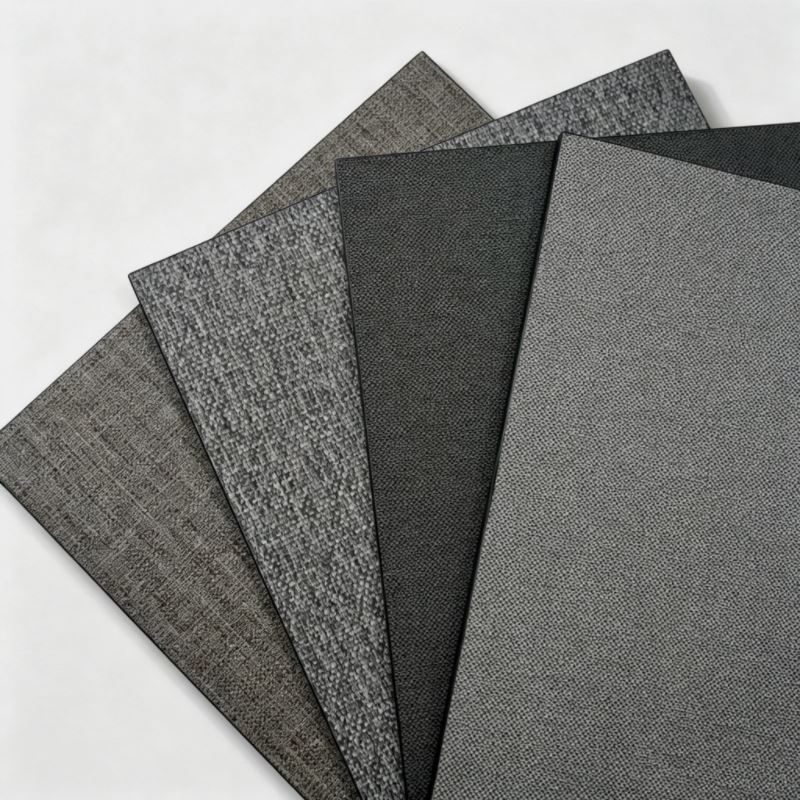
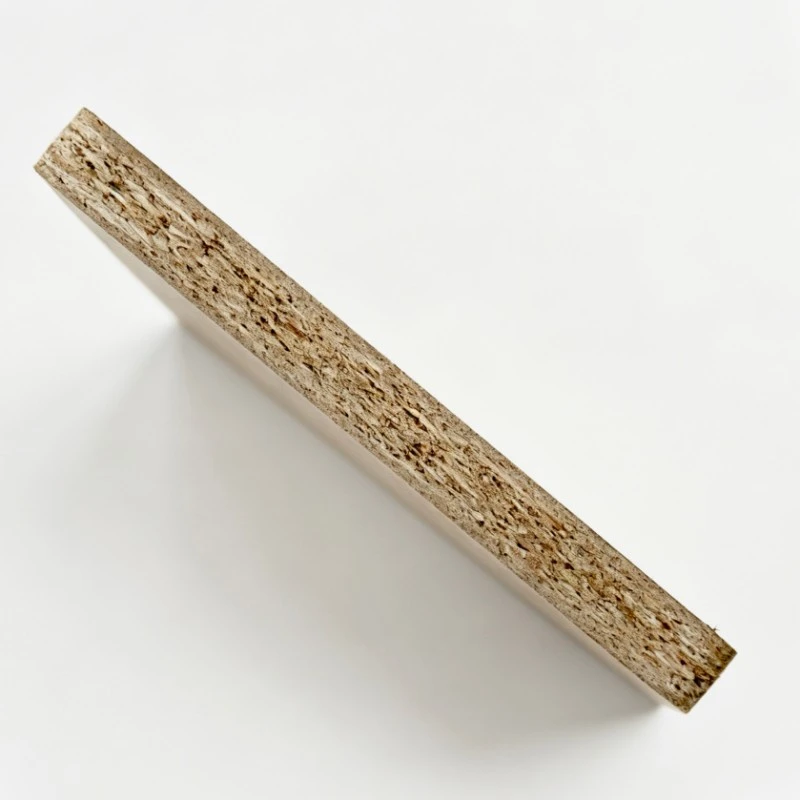
First off, let’s cut through the hype a little. A lot of people hear “chipboard” and instantly think “total garbage that’ll rot in five minutes.” But MFC isn’t just basic chipboard – it’s that particle core pressed tight, then laminated with a melamine resin surface that’s basically a hard, durable plastic layer. If you’ve ever stared at a kitchen counter that’s a little scratchy or has that perfect wood-grain finish that doesn’t fade, that’s probably MFC. I can’t tell you how many times a customer has clicked on our Melamine Laminated Chipboard page thinking it’s only for indoor cabinets – dude, that top layer’s way tougher than people give it credit for.
But hold up, before you run off to build that outdoor dining set, let’s talk about the garden specifically. Gardens are wild, y’know? It’s not just your living room – there’s rain, humidity, sunlight beating down on it all day, maybe even dew that sticks around overnight. That’s where the MFC’s weak points start to show if you don’t prep it right. Let’s break this down:
The good stuff first. The melamine surface is water-resistant, not waterproof – important distinction. So if you spill a drink on a patio table made from MFC, or if a light rain hits it, that top layer will stop most moisture from seeping into the chip core. That’s way better than, say, raw chipboard, which would soak up that water like a sponge and start swelling in 24 hours. Also, MFC is cheap – like, way cheaper than solid teak or cedar, which are the usual go-tos for garden furniture. If you’re on a budget to make some planter boxes, a small bench, or even a kids’ picnic table, this stuff’s a no-brainer. Our 8x4 Melamine Faced Chipboard sheets are perfect for cutting down to size without breaking the bank – I’ve seen customers build whole garden storage benches from a couple of those, and they hold up for years if you do it right.
Now the bad (and the ugly if you skip steps). Here’s the thing: the core of MFC is still wood particles, right? It’s not plastic. If that melamine layer gets scratched, chipped, or peeled back (like if you drag a chair leg across it or hit it with a hard tool), water’s gonna get in there. Once that happens, the core swells, falls apart, and there’s no fixing it. Also, sunlight – UV rays are brutal on melamine, even the good stuff. Over time, that pretty wood-grain finish will fade, get a little chalky, and the edges (where the melamine doesn’t wrap around, because let’s be real, wrapping every edge is a pain) will soak up moisture like crazy. I’ve had a guy come back to me last year saying his MFC garden stool fell apart after one winter – he skipped sealing the edges, and rain got in through the cut ends, rotted the core from the inside out. Oops.
So, can you actually use it for garden furniture? The short answer is yes – but only if you prep it like your life depends on it, and pick the right type of MFC. Wait, not all MFC is the same, right? Some is for indoor use only, some is rated for “general purpose” which works okay outdoors if you seal it. Our Melamine Mfc Board line has a few outdoor-grade options, for what it’s worth – they use a thicker melamine layer and better resin that’s more UV-resistant, so that’s the one you want if you’re buying for this project.
Let’s talk step-by-step, because that’s what people actually need. If you’re gonna build that garden bench or planter box, here’s what you can do to make it last 3+ years, maybe more:
First, choose the right MFC sheet. Don’t grab the cheap indoor stuff from the big box store – get a board that’s marked as suitable for exterior use. Like I said, our outdoor-rated MFC holds up way better against UV and mild moisture, so that’s a solid pick. Also, think about the size – the 8x4 sheets are easy to cut at home with a circular saw, no need for fancy equipment, which is perfect for DIYers. I always tell people to measure twice, cut once, because wasting an MFC sheet is such a bummer, especially if you’re building on a budget.
Next, the edges. This is non-negotiable. When you cut MFC to size, the cut ends are just bare wood particles, and that’s where moisture will get in. You have to seal every single edge – the top, bottom, and all the cut sides. What do you use? Melamine edge banding is the easiest way – you can get it with an iron-on adhesive, so you just cut it to size, stick it on, and trim the excess. Or if you want a more heavy-duty seal, use a marine-grade polyurethane or a waterproof sealer that’s made for wood. I recommend two coats, just to be safe – don’t skip this part. I’ve seen so many projects fail because of un sealed edges, it’s not even funny.
Then, think about how you’re gonna place it. Don’t just plop your MFC furniture directly on the grass or damp soil. Elevate it a little – put it on bricks, concrete pavers, or even small wooden blocks. That way, air can circulate underneath, and moisture from the ground won’t wick up into the bottom edges. If you’re making a table or a bench, add some rubber feet to the legs too – that stops water from pooling around the base, and also protects the melamine surface from scratches when you move it.
Also, limit the use to mild conditions. MFC can handle light rain, humidity, and even a few hours of direct sun, but if you live somewhere super rainy (like the Pacific Northwest) or where it snows a lot in winter, you might wanna bring the furniture inside or cover it with a waterproof tarp when it’s not in use. If you leave it out year-round in harsh conditions, it’s gonna wear out faster, no matter how much you seal it.
Wait, let’s throw in a real example. Last summer, a regular customer of mine built a set of planter boxes for his backyard patio. He used our outdoor-grade Melamine Laminated Chipboard sheets, sealed all the edges with edge banding, elevated them on pavers, and put them under a small awning so they don’t get direct rain. He’s had them for a year and a half now, and they look almost exactly like the day he built them – no swelling, no fading, no weird stains. But his neighbor used the same type of MFC, skipped sealing the edges, and left them out in the open last winter. They got soaked when it rained, froze when it got cold, and the edges swelled so bad the boxes didn’t close right. That’s the difference between doing it right and cutting corners.
Is there anything MFC is bad for in the garden? Yeah, probably things that get really wet all the time. Like, a built-in garden pond edge? Probably not, because it’ll be in contact with standing water 24/7. Or a picnic table that you’re gonna keep out in the rain every single day without covering it? That’s gonna wear out fast. But for occasional use furniture, planter boxes, storage benches, even a small bar cart for the patio? Totally fine.
Another thing to consider: maintenance. MFC garden furniture is low-maintenance, which is a big plus. You don’t have to sand it or re-stain it every year like you would with natural wood. Just wipe it down with a damp cloth when it gets dirty, and if the surface gets a small scratch, you can touch it up with a melamine repair pen – they’re super cheap and work way better than regular wood filler. The only maintenance you’ll probably have to do is check the edges once a year to make sure the seal is still good, and re-seal if it starts peeling.
Wait, should I mention alternatives? Maybe, but the point here is MFC is an option. Solid wood is expensive, metal can get hot in the sun, plastic is flimsy. MFC hits that sweet spot between durability, cost, and looks. You can get it in all sorts of finishes – from light oak to dark walnut, even bright colors, so it can match any garden aesthetic. That’s why so many designers are starting to use it more for casual outdoor pieces, not just indoor stuff.
Let me circle back to the original question: Can you use melamine faced chipboard for garden furniture? The answer is yes, if you choose the right type, prep it properly, and use it in the right way. It’s not gonna last forever like teak, but for the price and the ease of use, it’s a solid choice for DIYers, small projects, or anyone on a budget.
If you’re thinking about giving it a go, I’d recommend starting small. Maybe a small planter box or a side table first, so you can practice the sealing and cutting steps before taking on a bigger project. And when you’re ready to grab materials, make sure you get the outdoor-rated MFC – don’t settle for indoor stuff. Our 8x4 Melamine Faced Chipboard sheets are perfect for these projects, and we’ve got a bunch of tutorials on our site for building garden furniture if you need a little help.
If you wanna chat more about what type of MFC is best for your specific project, or get a quote for materials, feel free to reach out. We’re here to help make sure your garden furniture project turns out great, no matter how big or small.
References:
- Forest Products Laboratory. (2017). Wood-Based Composites for Exterior Applications. U.S. Department of Agriculture.
- Melamine Resin Association. (2020). Properties and Uses of Melamine Laminated Surfaces for Building Products.
- Outdoor Furniture Manufacturers Association. (2021). Budget-Friendly Material Options for Residential Outdoor Projects.
- University of California Agriculture and Natural Resources. (2019). Weather-Resistant Finishes for Wood and Wood-Based Products.