

Can you varnish melamine coated MDF?
Oct 30, 2026
Leave a message
Hey there, it’s Jake, and I’ve been working with melamine coated MDF boards for over 8 years as a supplier—you know, the behind-the-scenes guy who gets calls at 7 PM from carpenters panicking about a botched project. Today’s question pops up more than you’d think: “Can you varnish melamine coated MDF?” Let’s cut through the confusion and get this right, no fancy industry jargon that makes your head spin.
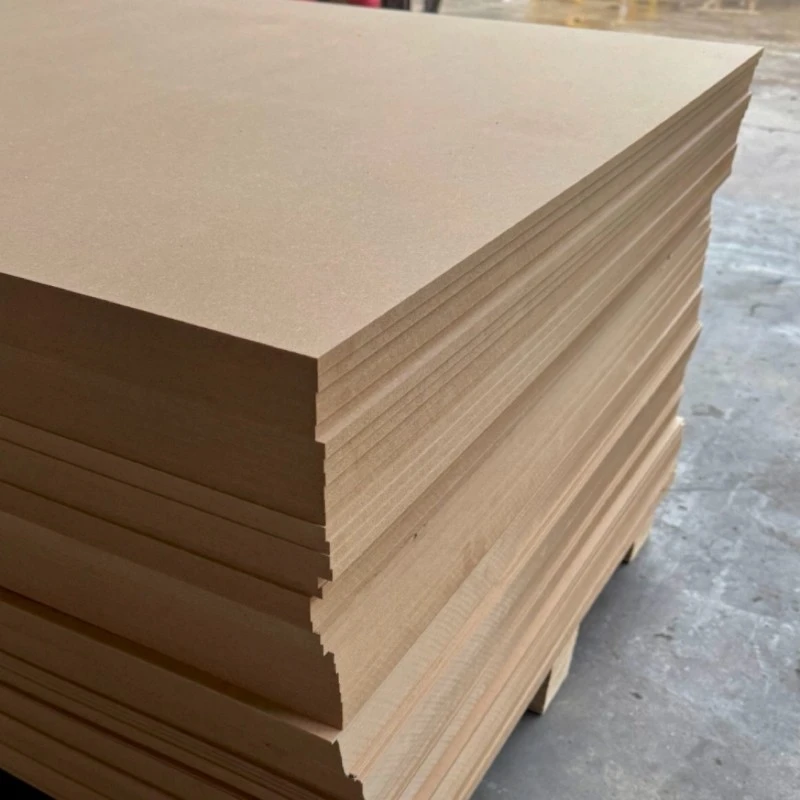
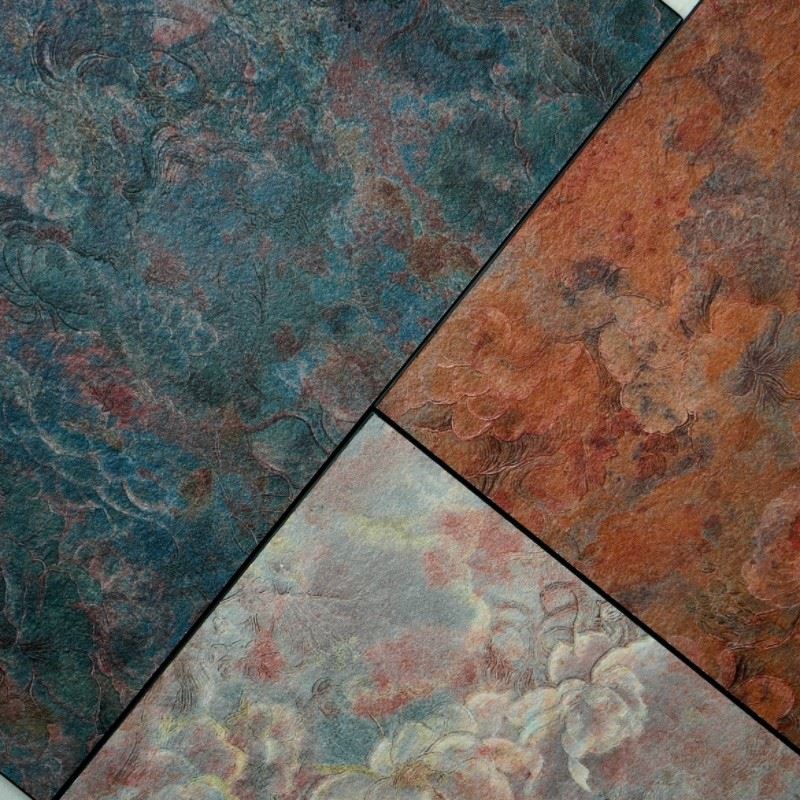
First off, let’s remember what melamine coated MDF actually is. It’s medium-density fiberboard with a hard, thin melamine resin layer pressed onto it—this is different from regular MDF you’d paint. That melamine layer is super scratch-resistant, doesn’t stain easily, and comes in tons of colors and finishes (matte, glossy, wood grain, you name it). If you’re looking for the basics, check out our Melamine Laminated Mdf Board page—we break down the differences between coated vs laminated there, since they’re often mixed up.
So back to varnishing. The short answer is… technically yes, but it’s not as straightforward as slapping a coat of poly on raw wood. Here’s why the melamine layer messes things up: it’s non-porous, right? Varnish needs to soak into the surface to bond properly, like how glue sticks better to sandpaper than a waxed countertop. If you skip prepping, that varnish will just sit on top, peel off in a few months, or get streaky. I’ve seen too many DIYers skip the prep and call us complaining their new bookshelf looked terrible 6 months in.
Wait, let’s clarify what varnish is for this context. We’re talking about polyurethane, epoxy, or other clear topcoats—not the melamine finish itself. People want to varnish melamine MDF for a few reasons: maybe they got a sheet with a finish that’s close but not exactly what they need, or they want extra scratch protection for a kitchen cabinet or entertainment center, or they accidentally scratched a melamine board (it happens—we’ve all been there). Before you grab that can of satin poly from the hardware store, let’s talk about the step-by-step reality that works, and the mistakes to avoid.
First, the non-negotiable prep step: scuffing the melamine surface. You can’t just wipe it down. Grab 220-grit sandpaper (not too coarse—you don’t want to scratch through the melamine) and lightly buff the entire surface. Do this in a consistent, circular motion, then wipe away all the dust with a lint-free cloth and isopropyl alcohol—windex leaves streaks, so skip that. Why? Because you need to etch the non-porous melamine just enough for the varnish to grab on. If you’re using a heavier-duty topcoat like epoxy, you might even go to 180-grit, but 220 works for most projects.
Also, not all melamine boards are the same. If you’re working with a thin melamine layer on a lower-grade MDF, sanding might actually wear through the melamine and expose the fiberboard underneath, which is porous and will absorb way more varnish. That’s why we always recommend checking the quality of your sheet first. For example, our Melamine Coated Mdf Board line has a 0.6mm melamine layer, which is thick enough to handle proper prep—no risk of wearing through with sandpaper. If you’re using a cheaper, thinner board, maybe stick to a wax or laminate touch-up pen instead of varnish to avoid issues.
Another big one: choosing the right varnish. Water-based varnish is better here than oil-based, because oil-based has solvents that can eat into some melamine finishes, especially the cheaper ones. Water-based is more forgiving, dries faster, and doesn’t have that strong smell. We’ve seen great results with Benjamin Moore’s Advance line, but any high-quality water-based poly will work. For glossy finishes, you can even add a small amount of a leveling agent to help it go on smooth—no streaks, which is key for melamine since the base is already smooth.
Wait, what about the edges? Melamine MDF has a raw MDF core on the sides, right? That’s super porous, so if you’re varnishing the whole board, you can’t forget the edges. They’ll soak up way more varnish, so you need to seal them first with a coat of sanding sealer or even a thin layer of white PVA glue (diluted with a little water) to stop the MDF from sucking up all your varnish. If you skip the edges, they’ll look like a rough blotch compared to the smooth top surface.
Now, let’s talk about when you shouldn’t varnish melamine MDF. If you’re doing a simple bookshelf where the melamine finish is already sufficient—no need for extra topcoat. If you’re working with a high-gloss melamine and you want to keep that exact high-gloss look, varnishing will flat it out a little, so that’s not ideal. Also, if you’re not comfortable with light sanding and thin, even coats, maybe hire a local woodworker to do it—bad prep leads to peeling, and that’s a way bigger headache than sticking to the original melamine finish.
I get it, you might be thinking, “Why even bother with varnish if the melamine is good?” Let’s be real—melamine is durable, but it’s not indestructible. A kid dragging a crayon across a table, a coffee ring that sets in, a sharp knife slipping—varnish adds an extra protective barrier. We supply a lot of 18mm White Melamine Faced Mdf to cabinet makers who varnish the doors to make them stand up to daily use in kitchens and bathrooms. Those doors have lasted 5+ years without a scratch, as long as the prep was done right.
Also, double-sided melamine MDF? Wait, if you’re using Double Sided Melamine Mdf, make sure both sides are the same finish. If you varnish one side and not the other, the board might warp a little from the different coatings—wood products move with moisture, so balancing the top and bottom is important. We tell all our clients that when they pick up double-sided sheets, that balancing step is non-negotiable for long-term performance.
Let’s address a common myth: some people say you can’t varnish melamine at all. That’s only half true—you can varnish it, but you have to do the prep. I’ve seen it go wrong when someone skips scuffing and just applies varnish with a roller, it peels off in big chunks in a week. But I’ve also seen custom entertainment centers where the builder prepped properly, applied three thin coats of water-based poly, and it looks as good as custom woodwork for half the cost.
If you’re a DIYer just starting out, maybe practice on a scrap piece first. Grab a leftover Melamine Faced Mdf Sheets scrap from your local supplier, sand one side, apply a coat of varnish, and see how it goes. That way you don’t ruin your main project. Thin coats are key—don’t glob it on. Let each coat dry for 24 hours (check the can, some dry faster, but better to wait) and sand lightly with 320-grit between coats to smooth out any bumps.
As a supplier, I’m not here to tell you to varnish every melamine board you buy—if the original finish works for your project, use that. But if you need that extra layer of protection or a specific finish that the melamine doesn’t have, it’s totally possible as long as you follow the steps. The worst thing you can do is guess—reach out to your supplier if you have questions, that’s what we’re here for.
Speaking of which, if you’re looking for high-quality melamine coated MDF, whether it’s for a small DIY project or a large commercial build, we’ve got you covered. We stock all the standard sizes and finishes, and we can help you pick the right board for varnishing (thick melamine layer = better success rate). Don’t hesitate to get in touch with our team to chat about your project—we’re here to make sure you get the right material and guidance, no matter how big or small.
Before we wrap this up, let’s recap the key points to remember:
- Yes, you can varnish melamine coated MDF, but prep is critical (scuff the surface, clean thoroughly).
- Use water-based varnish, not oil-based, to avoid damaging the melamine.
- The edges (raw MDF) need to be sealed before varnishing to prevent blotching.
- Practice on a scrap piece first if you’re new to this.
- If the original melamine finish works, save yourself the trouble and use it.
I’ve been doing this long enough that I’ve fielded every question under the sun about melamine MDF, and this one is pretty common. The bottom line is: don’t listen to the “you can’t do it” crowd, but don’t skip the prep steps either. With the right approach, varnished melamine MDF can give you durable, custom-looking results without the cost of solid wood.
If you’re ready to source melamine coated MDF for your next project, or want to ask more specific questions about varnishing a particular board, our team is here to help. We work with carpenters, contractors, and DIYers alike to get the right material at a fair price. Don’t hesitate to reach out to start your purchasing journey today.
References:
- Woodworking Network. (2022). “How to Finish Non-Porous Surfaces.”
- Melamine Manufacturers Association. (2023). “Melamine Coated MDF: Properties and Applications.”
- DIY Woodworker Magazine. (2021). “Varnishing Melamine Surfaces: A Step-by-Step Guide.”
- Forest Products Laboratory. (2020). “Moisture Movement in Wood-Based Composites.”