

Is melamine coated MDF good for furniture?
Oct 22, 2026
Leave a message
If you’ve ever stood in a furniture showroom, running your fingers over a sleek kitchen cabinet door or a smooth bookshelf side panel, chances are you’ve touched melamine coated MDF and didn’t even know it. As someone who’s been in the melamine faced MDF business for over a decade, I’ve heard every question under the sun about this material: Is it durable? Is it worth the extra cost compared to solid wood? Is it safe for everyday use in homes, offices, and even commercial spaces? Today, I’m pulling back the curtain on what makes melamine coated MDF a top choice for furniture, and why it might just be the best pick for your next project.
First, let’s break down the basics to set the stage. MDF, or Medium Density Fiberboard, is made from finely ground wood fibers that are heated, compressed, and bonded together with resin. It’s denser and more uniform than plywood or solid wood, with no knots, warping, or grain inconsistencies. Melamine, on the other hand, is a hard, scratch-resistant thermoset plastic that’s fused to the MDF surface under high pressure and heat. The result is a product that combines the stability of MDF with the tough, easy-to-clean surface of melamine—hence why so many furniture manufacturers and DIYers turn to it, and why our customers keep coming back to our range of Melamine Faced Mdf Sheets.
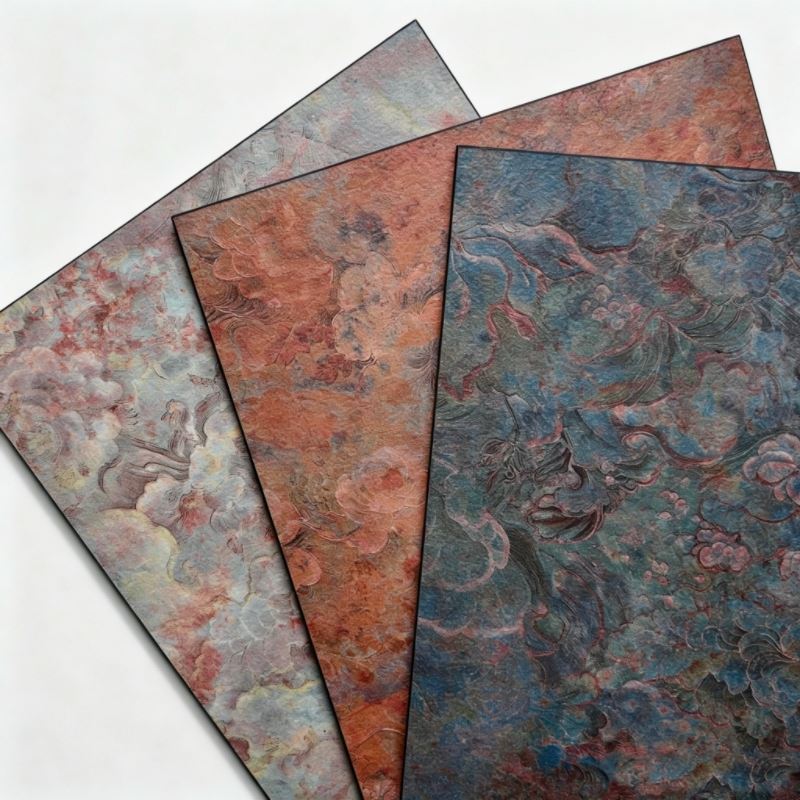
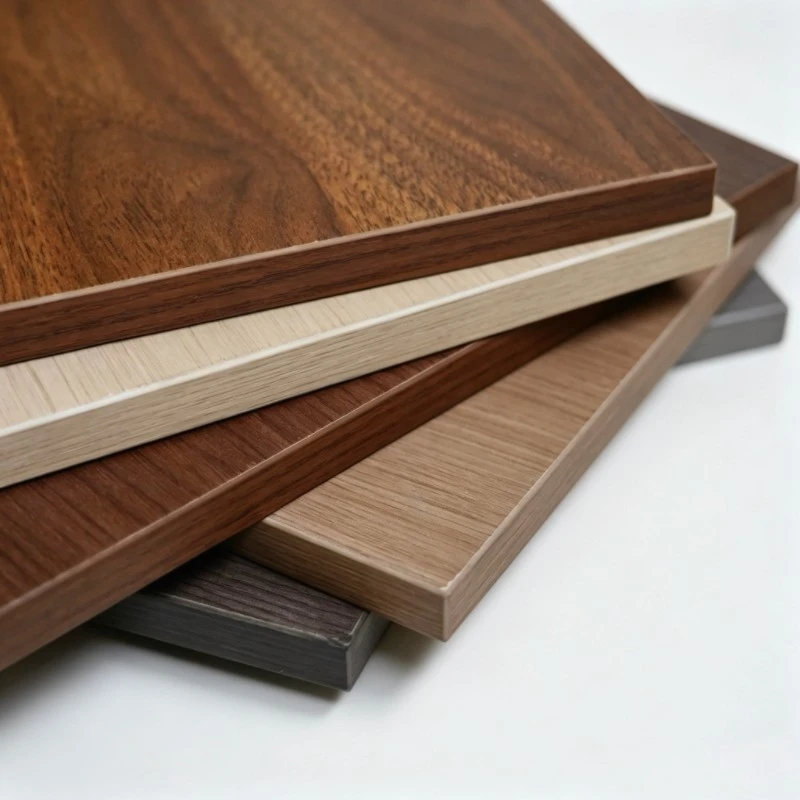
But here’s the thing I tell every new client: not all melamine coated MDF is created equal. The quality comes down to the bonding process, the type of MDF core, and the melamine finish used. For example, our 18mm White Melamine Faced MDF is a workhorse for everything from bathroom vanities to entryway console tables. The 18mm thickness gives it enough rigidity to hold heavy items without sagging, while the white melamine finish resists stains from coffee, wine, and even cleaning products—something solid wood can’t claim, especially if it’s not sealed properly.
One of the biggest myths about melamine coated MDF is that it’s low-quality, only used for cheap flat-pack furniture. Let’s debunk that right now. Modern manufacturing processes have evolved so much that melamine faced MDF is used in high-end custom cabinetry, office furniture, even museum installations. Why? Because it solves key problems that plague other materials. Take stability, for instance. Solid wood expands and contracts with changes in humidity and temperature, which leads to gaps between cabinet doors, warped table tops, and cracked shelves. MDF is engineered to be dimensionally stable, and adding a melamine coating locks that stability in. The melamine layer prevents moisture from seeping into the MDF core, which means less swelling in high-humidity areas like kitchens and basements. Our Double Sided Melamine MDF takes this a step further—both sides are coated, so there’s no imbalance in the material, reducing the risk of warping even in extreme environments. That’s a game-changer for furniture that needs to look good from every angle, like bookshelves or room dividers.
Durability is another big selling point. Melamine is harder than most standard paints, veneers, and even some types of laminate finishes. It resists scratches from moving chairs, pet claws, and small impacts from dropped objects. It’s also non-porous, which means it doesn’t absorb spills, making it super easy to clean—just wipe with a damp cloth and mild soap, and it looks like new. Compare that to solid wood, which requires regular polishing to keep its finish from dulling, or paint, which chips and scuffs easily. Even veneer, which is a thin layer of real wood glued to a substrate, can peel or bubble if not installed carefully, whereas melamine is bonded directly to the MDF under high pressure, creating a seamless, long-lasting finish. Our Melamine Laminated Mdf Board goes through a special lamination process that adds extra adhesion, so the finish won’t chip or peel along edges even when you’re installing drawers or cutting it to size.
But what about safety? This is a question I get all the time, especially from customers who are building furniture for kids or homes with small children. MDF does release trace amounts of formaldehyde, but the level depends on the resin used during manufacturing. At our facility, we use only low-emission, CARB Phase 2 and EPA TSCA Title VI compliant resins, which meet the strictest safety standards in North America and beyond. The melamine coating acts as a seal, locking in any trace formaldehyde and preventing it from releasing into the air. That means melamine coated MDF is safe for indoor use, even in nurseries and schools. It’s also resistant to mold and mildew, which is another plus for high-moisture areas like bathrooms.
Another advantage of melamine coated MDF is its versatility. The melamine finish comes in hundreds of colors, patterns, and textures—from plain white and wood grains to marble, metallic, and even concrete looks. That means you can get any style you want, whether you’re going for a minimalist Scandinavian look, a modern industrial vibe, or a classic farmhouse kitchen. The sheets are also easy to cut, drill, and shape, which makes them a favorite for both professional furniture makers and DIYers. You can use them to build custom cabinets, bookshelves, beds, desks, patio furniture (as long as it’s in a covered area), and even TV stands. Our range of Melamine Coated Mdf Board includes everything from 6mm thin sheets for cabinet backs to 25mm thick panels for heavy-duty table tops, so no matter what your project is, there’s a size and finish that fits.
Of course, no material is perfect, and melamine coated MDF does have a few limitations that are important to know before you commit. First, it’s not as flexible as plywood, so it’s not ideal for curved furniture or complex shaped pieces—you’re limited to straight cuts and simple profiles. Second, while the surface is scratch-resistant, it can chip or crack if you drop a heavy object with a sharp edge, or if you drill or cut it without the right tools. You have to use a fine-toothed saw blade when cutting it, and seal any raw edges with edge banding to prevent moisture from getting into the MDF core. If you don’t, the raw edges can swell if exposed to water, which can cause the whole panel to warp. Third, while melamine is stain-resistant, it’s not completely indestructible—harsh chemicals like bleach or paint stripper can damage the finish, so you should avoid using those on melamine coated surfaces.
That said, these limitations are manageable with the right care and installation. As a supplier, I always give my customers a few tips to get the most out of their melamine coated MDF furniture: use edge banding on all raw edges, use a fine-tooth blade when cutting, avoid dragging heavy furniture across floors, and wipe up spills immediately. Follow those simple steps, and your melamine coated MDF furniture will last for decades.
Now, let’s talk about value. When you compare the cost of melamine coated MDF to solid wood or high-end laminate, it’s often 30-50% less expensive. That doesn’t mean you’re sacrificing quality—you’re getting a stable, durable, easy-to-clean material that looks great and lasts a long time. For homeowners on a budget, that means you can furnish an entire living room or kitchen without breaking the bank. For businesses, it means you can create stylish, long-lasting office furniture or retail displays that won’t need to be replaced every few years. And for custom furniture makers, melamine coated MDF is a blank canvas that they can customize with edge banding, paint, or even decals to match their clients’ exact needs.
I’ve seen firsthand how melamine coated MDF has transformed the furniture industry. Ten years ago, solid wood was the go-to for most projects, but today, more and more people are realizing the benefits of melamine coated MDF: it’s stable, durable, safe, versatile, and affordable. At our company, we’ve invested in state-of-the-art manufacturing equipment to make sure every sheet we produce meets high quality standards, and we offer a wide range of products, from our popular 18mm White Melamine Faced MDF to Double Sided Melamine MDF and everything in between. Whether you’re a furniture manufacturer, a DIYer, or an architect working on a commercial project, we have the right melamine faced MDF sheets for your needs.
If you’re considering melamine coated MDF for your next furniture project, I encourage you to learn more about our products. You can browse our full range of Melamine Coated Mdf Board on our website, where you’ll find detailed specs, sizes, and finish options. We also offer custom cutting and edge banding services, so you can get panels that are ready to install right out of the box.
When it comes to choosing materials for furniture, there’s no one-size-fits-all answer. But if you want a material that’s durable, stable, easy to care for, and budget-friendly, melamine coated MDF is definitely worth considering. It’s evolved from a budget option to a high-quality material used in some of the most beautiful furniture projects today, and it’s easy to see why.
If you’d like to discuss your melamine faced MDF needs or place an order, please get in touch with our team. We’re here to help you find the perfect product for your project, whether you’re building a small bookshelf or a full kitchen.
References
- American Wood Council. (2022). Medium Density Fiberboard (MDF): Properties and Applications. Retrieved from https://www.awc.org
- Consumer Product Safety Commission. (2021). Formaldehyde Emissions in Wood Products: Standards and Safety Guidelines. Retrieved from https://www.cpsc.gov
- Woodworking Network. (2023). Melamine Faced Materials: A Guide to Selection and Use in Furniture Manufacturing. Retrieved from https://www.woodworkingnetwork.com
- International Code Council. (2022). Residential Building Code Guidelines for Interior Wood Products. Retrieved from https://www.iccsafe.org