

How is melamine coated MDF made?
Oct 23, 2026
Leave a message
If you’ve ever walked past a beautifully finished kitchen cabinet, a sleek bookshelf, or a modern office desk, chances are you’ve interacted with melamine coated MDF. As a melamine coated MDF board supplier, I get asked all the time: how exactly do we turn plain, medium-density fiberboard into that durable, scratch-resistant surface that’s so popular for furniture, cabinetry, and interior projects? It’s not just slapping a decorative sheet onto wood—it’s a precise, multi-step process that balances science, quality control, and consistency, and I want to walk you through it today.
First, let’s start with what MDF itself is, because the base material matters just as much as the finish. Medium-density fiberboard is made by breaking down hardwood and softwood residues—like sawmill scraps, wood chips, and even recycled wood fiber—into tiny particles, then mixing those fibers with wax and a resin binder, pressing them under intense heat and pressure to create a dense, smooth, uniform board. Unlike natural wood, which has knots, grain inconsistencies, and can warp with humidity, MDF is stable, rigid, and has a perfectly flat surface—this makes it an ideal base for melamine coating, because there’s no unevenness to ruin the final finish.
Before we even think about applying melamine, the raw MDF boards go through a preparation step that’s critical for adhesion. I can’t tell you how many times a project has gone wrong because a supplier skipped this part. First, we inspect every MDF sheet for any surface defects: small dents, rough spots, or stray fibers. Any board that doesn’t pass is sorted out immediately, because a flawless base is non-negotiable. Then, we sand both surfaces of the MDF to a very fine, smooth finish—this gives the adhesive we’ll use later something to grip onto, rather than a porous, rough surface that might cause bubbles or peeling over time. We also measure the moisture content of each board; MDF has an ideal moisture level of around 6-8% for lamination, so any board that’s too wet or too dry is set aside to acclimate in our climate-controlled warehouse. This step ensures that once the melamine is applied, it won’t lift or crack as the board adjusts to different environmental conditions later.
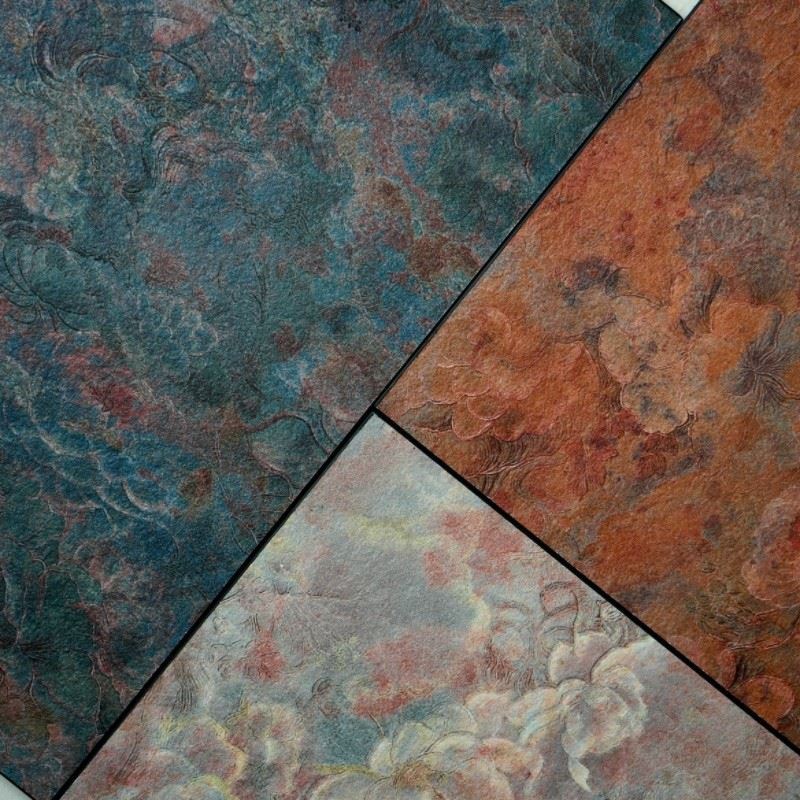
Now, the star of the show: the melamine itself. Melamine is a type of thermoset plastic, which means it hardens permanently when cured with heat. The decorative layer we use for our products comes in the form of pre-laminated sheets—wait, hold on, let’s clarify that. Wait, no—actually, for our process, we work with pre-impregnated melamine papers. Decorative paper (with whatever print you want: wood grain, solid color, marble, even custom patterns) is soaked in a melamine-formaldehyde resin, then dried to a specific moisture content so it’s not too wet or too brittle. There are also overlay papers, which are thinner, plain papers that are also impregnated with melamine resin—these go on top of the decorative layer to add extra scratch resistance, durability, and a glossy or matte finish, depending on the customer’s needs.
Wait, some people confuse pre-laminated sheets with our process, so let’s address that. If you look at our collection, you’ll find products like Pre Laminated Mdf Sheet, but our manufacturing process is slightly different from buying a pre-made sheet and sticking it to MDF. We combine the melamine layers directly to the MDF base in a hot press, which gives a much stronger, more permanent bond than any adhesive you’d apply manually. That’s a key point for anyone sourcing these boards: not all melamine coating is created equal. Cheap products use contact cement and manually applied sheets, which can peel, have uneven finishes, or bubble—our process uses industrial hot pressing to ensure the melamine is fused to the MDF at a molecular level, almost like it’s part of the board itself.
The next step is selecting the right combination of melamine layers for the job. For most standard applications, like kitchen cabinets or bookshelves, we use three layers: the overlay paper (top, scratch-resistant), the decorative printed paper (middle, gives the look), and a backer paper (bottom, plain melamine resin-impregnated paper). The backer is important to prevent the MDF from warping, because if only one side is coated with melamine, the moisture balance between the top and bottom is off, leading to cupping. That’s why our Double Sided Melamine Mdf line is so popular for projects that need uniform finish on both sides, like wall panels or door cores. But we also offer single-sided sheets, which you can check out on our Melamine Faced Mdf Sheets page, for furniture where only one side is visible.
Now, the actual lamination process: once the MDF is prepped and the melamine layers are selected, we stack them in a specific order inside a heated press. The press is a massive steel machine—ours have platen sizes up to 12 feet by 6 feet, so we can laminate full-size boards in one go, which keeps costs low and consistency high. Each layer is separated by a thin, heat-resistant release film to prevent the melamine from sticking to the press platens. We also apply a thin layer of cold-cure adhesive to the top and bottom of the MDF? Wait, no—wait, actually, for melamine impregnated sheets, the heat and pressure of the press cure the resin, so the adhesive isn’t necessary between the MDF and the melamine, as long as the surface is properly prepared. Let me correct that: the MDF is already sanded clean, and the melamine resin, when heated, melts and flows into the tiny pores of the MDF surface, creating a strong mechanical bond. The backer paper also helps with that, sealing the edges of the MDF to prevent moisture absorption, which is another big plus for durability.
The press runs at around 180 to 200 degrees Celsius (350 to 390 degrees Fahrenheit), and pressure of around 150 to 200 psi, for a set amount of time—usually 8 to 12 minutes, depending on the thickness of the board and the type of melamine. Timing and temperature are everything here: if we press too hot or too long, the melamine can become brittle, discolor, or the resin can over-cure, leading to poor adhesion. If we press too cool or too short, the resin won’t fully harden, so the finish will be soft and prone to scratching. This is where our team’s experience comes in—we’ve refined our press settings over years, and every batch is tested for hardness, adhesion, and finish before moving on.
Once the boards come out of the press, they’re hot, so we need to let them cool and acclimate for at least 24 hours in our temperature-controlled warehouse. This step relieves any pressure or stress that built up during pressing, and gives the resin time to fully cure. After cooling, the boards go through a final quality check: we inspect them for any unevenness in the finish, bubbles, gaps at the edges, or discoloration. Any board that doesn’t meet our standards is either re-pressed (if possible) or recycled into new MDF, because we refuse to send out products that our own team wouldn’t use in our own homes.
Wait, one thing I should mention: edge processing. When melamine coated MDF comes out of the press, the edges are raw MDF, which is porous and can absorb moisture, leading to swelling or damage. That’s why we offer edge banding services, but that’s a separate step. For our Melamine Laminated Mdf Board line, we also can pre-cut the boards to custom sizes, drill holes for cabinet hardware, and even edge band them with matching melamine tape, so our customers can get a fully finished product right from us.
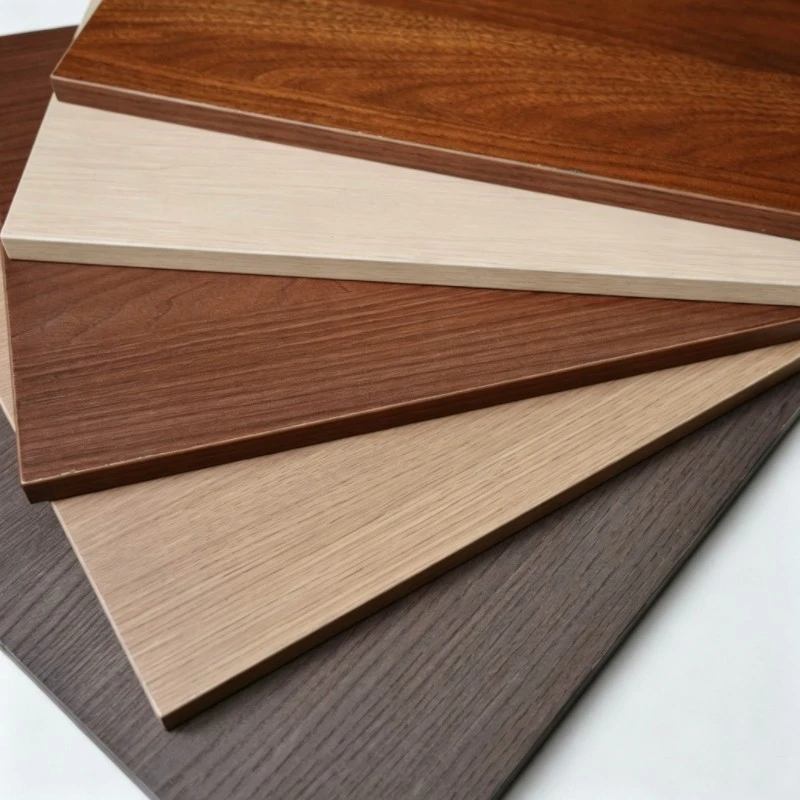
I often get asked about the benefits of melamine coated MDF, and it all ties back to this process. Unlike solid wood, it’s affordable, stable, and doesn’t require much maintenance—you can wipe spills right off, and it’s resistant to scratches, stains, and fading (we use UV-stabilized resins for indoor and even some outdoor applications, though for heavy outdoor use we recommend additional sealing). It’s also a sustainable choice: most MDF is made from recycled wood fibers, and the melamine resin we use is formaldehyde-free now, which is a huge plus for families and commercial spaces with air quality concerns.
If you’re looking for melamine coated MDF for your next project—whether it’s a kitchen remodel, building custom furniture, or installing office partitions—we have a wide range of options. Our Melamine Coated Mdf Board page has all our standard sizes, finishes, and custom order details. We work with small furniture makers, large construction companies, and DIYers, so whatever your project, we can provide boards that meet your needs and budget.
Ready to source high-quality melamine coated MDF? Reach out to our team to discuss your requirements, get a custom quote, or learn more about our process. We’re here to help you find the right product for your project, no matter how big or small.
References:
- Forest Products Laboratory. (2010). Medium Density Fiberboard: Manufacturing, Properties, and Applications. U.S. Department of Agriculture.
- Melamine Resin Association. (2018). Guidelines for Laminated Wood Products Manufacturing.
- National Wood Flooring Association. (2021). Interior Laminated Panel Quality Standards.