

Can I sand Pet Faced Particle Board?
Nov 06, 2026
Leave a message
If you’ve ever worked with pet faced particle board, you know it’s a workhorse in furniture manufacturing, cabinetry, and interior design—cost-effective, durable, and versatile. But a question I get at least a dozen times a week from contractors, furniture makers, and DIYers alike is: “Can I sand pet faced particle board?” As a supplier who’s shipped thousands of these panels over the years, I’ve seen both the wins and the mistakes that come with sanding this material, and the short answer is: yes, but only if you do it right. Let’s break down why sanding pet faced particle board requires careful attention, what works, what doesn’t, and when it’s better to opt for alternative materials.
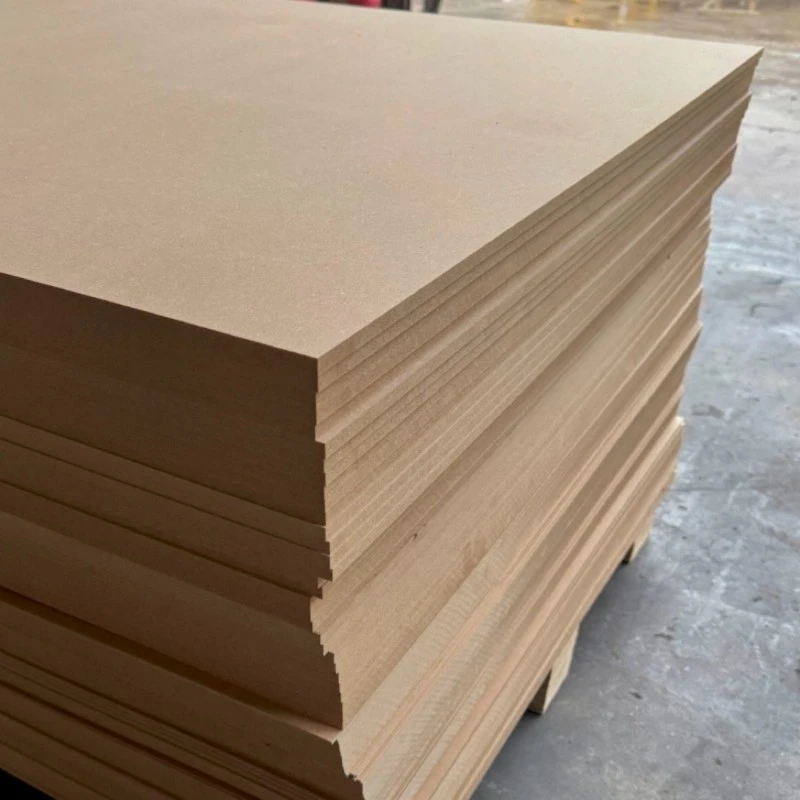
First, let’s define what exactly pet faced particle board is, because that’s the foundation of any good conversation about sanding it. PET stands for Polyethylene Terephthalate, the same plastic used in water bottles and food containers, and when it’s laminated to particle board, it creates a smooth, non-porous surface that resists scratches, moisture, and stains way better than raw particle board or even some wood veneers. Our pet faced particle board, available at /pet-board/pet-faced-particle-board.html, is manufactured by heat-pressing a solid PET film onto compressed wood particles, resulting in a flat, stable panel that’s easy to clean and maintain.
The non-porous nature of the PET film is why some people assume sanding it is possible, but it’s also the same property that makes it tricky. Raw particle board is porous, so sanding it removes the top layer and creates a smooth finish, but the PET film is a thermoplastic polymer—it doesn’t sand the way wood does. If you try to sand the PET layer aggressively, you’re not going to buff it smooth; instead, you’ll likely end up with uneven, dull patches, or even scratch through the film to expose the raw particle board underneath. That’s a problem because exposed particle board will absorb moisture, swell, and lose structural integrity over time.
So when is sanding pet faced particle board actually a good idea? Let’s start with the scenarios where it works. Most of the time, folks ask about sanding pet faced particle board to fix small imperfections: maybe a slight overhang from a cut, a tiny scratch on the edge of a panel, or uneven edges after joining pieces together. In these cases, you’re not trying to sand the entire surface—just the edges and small, localized areas. For these small tasks, light sanding is acceptable, as long as you follow the right steps.
For edge sanding, the key is to work slowly, use the right grit sandpaper, and focus on the particle board edge (not the PET face). Wait—yes, when you cut a pet faced particle board panel, the edge that’s exposed is raw particle board, not covered in PET. That’s the part you’re sanding when you trim or smooth the edges. The PET face is almost never sanded in full, because doing so creates inconsistent texture. For edge sanding, start with a medium grit (120-grit) sandpaper to remove excess material, then move to a fine grit (220-grit) to smooth it out. If you sand the PET face even with fine grit, you’ll leave it with a matte, dull finish that ruins the sleek, uniform look the material is known for.
Now, what are the big pitfalls of sanding pet faced particle board that I see all too often? The first is using too coarse a grit on the PET face. Some people grab 80-grit sandpaper thinking it will remove material faster, but that’s a surefire way to scratch the PET film permanently. Even 100-grit is too harsh for the PET layer—if you need to fix a scratch on the face of the panel, the best approach isn’t sanding at all, it’s using a heat-free plastic repair kit or matching edge banding. Another mistake is not sanding in the direction of the wood particles, which causes uneven texture on the raw particle board edges and leaves visible scratch marks.
There are also cases where sanding pet faced particle board isn’t the right call at all. If you’re working on a large project that requires a smooth, seamless surface, sanding the edges won’t be enough—you’ll need to use edge banding to cover the raw particle board edges, which creates a finished look that’s more durable and consistent than sanding. For projects that will get heavy use, like kitchen cabinets or bathroom vanities, edge banding is a better solution because it seals the particle board against moisture, which sanding can’t do.
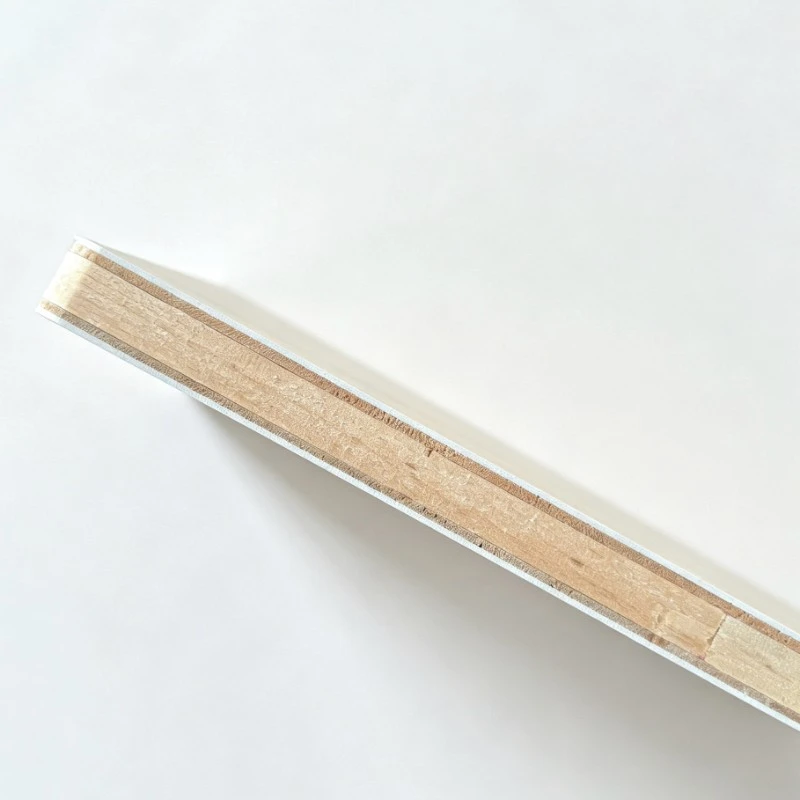
Speaking of alternatives to sanding pet faced particle board, I’ve seen many clients switch to other PET-laminated panels that are designed for specific use cases. For example, if you’re working on a marine application where moisture resistance is non-negotiable, our /pet-board/pet-faced-spc-marine-board is a game-changer. Unlike standard pet faced particle board, SPC (Stone Plastic Composite) marine boards have a solid polymer core that’s 100% waterproof, so you don’t have to worry about sanding edges or sealing them—they’re built to withstand high-humidity environments like boat interiors, laundry rooms, or outdoor cabinetry. It’s also more rigid than particle board, so it won’t warp or sag over time.
Another popular alternative is our /pet-board/pet-faced-chinese-fir-spc-marine-board, which combines the waterproof SPC core with a Chinese fir overlay for a warmer, more natural look. This is great for projects where you want the durability of SPC but a wood-like aesthetic—no sanding needed, because the edges are either factory-sealed or ready for easy edge banding. For smaller projects or those where you want a layered finish, our /pet-board/pet-laminated-particleboard is another option, with a thicker PET layer that’s more resistant to scratches and easy to clean, without the need for sanding.
If you’re working on a project that requires a smooth, painted finish, you might be wondering about our /pet-board/pet-coated-mdf-panel. Wait, MDF is different from particle board—its denser, more uniform structure makes it ideal for painting, and the PET coating provides a perfect base for primer and paint, so sanding is only needed to smooth edges, not the full surface. That’s a good thing to keep in mind if you’re trying to decide between MDF and particle board for your project.
Back to the original question: can you sand pet faced particle board? The answer is nuanced, but for most professional and DIY applications, light, localized sanding of raw edges is acceptable, but full-surface sanding of the PET face is not recommended. The key is to know what you’re sanding, why you’re sanding it, and how to do it without damaging the PET layer.
Let me walk you through a step-by-step guide for sanding pet faced particle board edges, which is the only sanding you should do on this material. First, gather your tools: a sanding block (not an electric sander, which is too powerful and can remove too much material), 120-grit sandpaper, 220-grit sandpaper, a clean cloth, and a can of mineral spirits (to wipe away dust). Next, secure the panel firmly so it doesn’t move while you sand—uneven sanding will lead to jagged edges. Start with the 120-grit sandpaper, sanding in the direction of the wood particles (not against them) with light, even pressure. Sand until the edge is smooth and any overhang is removed, then switch to 220-grit to buff out any scratch marks from the 120-grit. Finally, wipe the edge with a clean cloth to remove all dust, and if you want extra protection, apply a clear acrylic sealer (though this is optional for dry environments).
If you’re dealing with a scratch on the PET face, resist the urge to sand it. Instead, use a plastic repair compound that’s designed for PET films—these compounds are color-matched to our panels, so they’ll blend in seamlessly without leaving a dull patch. For deep scratches that go through the PET film to expose the particle board, edge banding is the best fix: apply a strip of PET edge banding to the scratch, heat it to melt it into place, then trim and sand lightly to smooth it. Again, this is only for the edge banding, not the PET face.
As a supplier, I always tell my clients that pet faced particle board is meant to be durable, not modified with heavy sanding. Its strength comes from the PET film protecting the particle board core, so any sanding that compromises that film will shorten the life of your panels. That’s why so many of our repeat customers who do cabinetry or furniture making don’t sand the PET face at all—they use edge banding, choose the right panel for their project, and follow the manufacturer’s guidelines for care.
If you’re still unsure whether sanding is right for your project, don’t hesitate to reach out to our team. We’ve helped hundreds of customers select the right panel for their needs, whether that’s standard pet faced particle board for a living room bookshelf, SPC marine board for a bathroom vanity, or PET-coated MDF for a painted accent wall. Our goal is to make sure your project turns out perfect, and that means answering all your questions about working with these materials, not just selling you panels.
In conclusion, the short answer to “Can I sand pet faced particle board?” is yes, but only for small, localized edge work—never the full PET-covered surface. The material is designed to be durable and low-maintenance, so heavy sanding is unnecessary and harmful. If you’re looking for panels that require even less sanding and offer superior durability, check out our range of PET-laminated products, including the pet faced spc marine board, pet faced chinese fir spc marine board, pet laminated particleboard, and pet-coated mdf panel. Whether you’re a contractor, interior designer, or DIYer, we’re here to help you pick the right material for your project. To discuss your specific needs and place an order, connect with our team today.
References
- "PET Laminates: Properties and Applications in Wood-Based Panels." Wood Industry Journal, vol. 45, no. 3, 2021, pp. 18-22.
- "Sanding Best Practices for Engineered Wood Products." Fine Woodworking Magazine, vol. 287, 2022, pp. 56-61.
- "Marine-Grade Composite Panels: Performance and Use Cases." Construction Materials Review, vol. 12, no. 4, 2023, pp. 34-39.
- "Edge Finishing Techniques for PET-Laminated Particle Board." Cabinetry Manufacturing Quarterly, vol. 17, no. 2, 2022, pp. 11-15.