

What is the difference between high gloss and matte melamine laminated chipboard?
Nov 03, 2026
Leave a message
If you’ve ever shopped for cabinetry, built custom shelves, or renovated a rental space on a budget, chances are you’ve crossed paths with melamine laminated chipboard. For those of us who’ve spent years in the melamine laminated chipboard supplier game, I can tell you that one of the most common questions I get from both DIY enthusiasts and professional contractors is the difference between high gloss and matte melamine finishes. It’s not just about aesthetics—each finish brings unique performance traits, installation needs, and long-term value that can make or break a project, whether you’re designing a sleek urban kitchen or a cozy home office.
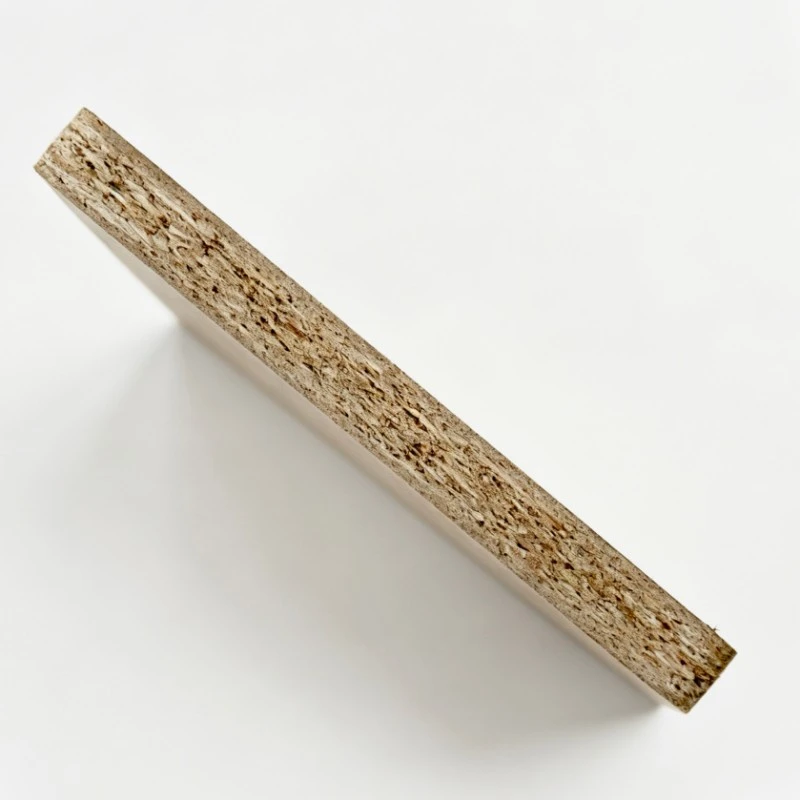
Let’s start with the basics to set a common foundation. Melamine laminated chipboard (often shortened to MFC) is made by bonding wood particles under high pressure to create a dense, uniform core, then fusing a thin melamine resin overlay to both faces. That melamine layer is where the magic—and the difference between high gloss and matte—happens. It’s not paint; it’s a thermoset plastic that’s durable, stain-resistant, and way more affordable than solid wood or laminate made with real wood veneers. If you’re ready to look at the core product we supply, you can explore our full range here: Melamine Laminated Chipboard, and if you need the most common size, our standard 8x4 Melamine Faced Chipboard is what most contractors and DIYers reach for. For a deeper dive into the core board itself, our Melamine Mfc Board page breaks down the density and particle composition that makes it reliable.
The Science Behind the Finish: How Gloss vs. Matte Melamine Is Applied
Most people assume the difference between high gloss and matte is just how shiny the surface is, but the production process is what drives their distinct look and performance. Both start with the same melamine resin, but the way that resin is cured and finished on the chipboard core changes everything.
High gloss melamine is produced using a clear melamine overlay with a high-gloss surface finish, usually achieved by applying a polished laminate film and curing it at high temperatures and pressure with a metal sheet that creates a smooth, mirror-like surface. The curing process leaves a very dense, non-porous top layer that has almost no texture—you can literally see your reflection on a well-applied high gloss sheet. It’s also thicker than matte’s top layer, usually around 0.6mm compared to matte’s 0.4mm, which contributes to its smoother feel and increased durability.
Matte melamine, on the other hand, uses a melamine resin overlay that’s formulated to have a low-sheen, non-reflective surface. The manufacturing process either uses a matte laminate film or adjusts the pressure and curing temperature to create a slightly textured, non-glossy finish. Unlike high gloss’s mirror-smooth surface, matte has a subtle grain or uniform texture that reduces light reflection. That texture isn’t a flaw; it’s intentional. When we test matte boards, we find that they tend to hide minor surface imperfections better than high gloss, and their non-reflective surface is less prone to showing fingerprints, dust, or water spots as prominently as gloss.
Aesthetics: The First Thing Most Notice (And Why It Matters)
Let’s be honest, for most people, aesthetics are the starting point. High gloss melamine is the go-to for modern, contemporary, and even minimalist designs. Its mirror-like surface bounces light around a space, making small rooms feel larger and brighter—this is a huge win for studio apartments or tiny kitchens where natural light is limited. I’ve worked with clients who wanted a bold, statement kitchen, and high gloss is perfect for that: deep black or white high gloss cabinets create a stark, sophisticated look that feels sleek and uncluttered. It’s also a favorite for commercial spaces like retail display cases or office break rooms, where a polished, professional look is key.
Matte melamine, by contrast, has a softer, more understated look that works for almost every design style—from Scandinavian to industrial to traditional. Its non-reflective surface doesn’t harshly compete with other design elements, so it pairs well with wood tones, metal hardware, and textured backsplashes. For homeowners who want a warm, approachable space without the cold, shiny feel of gloss, matte is the answer. We’ve seen a huge surge in matte’s popularity in recent years, as more people prioritize cozy, lived-in spaces over the overly polished look that was trendy in the 2010s.
Performance: Durability, Stain Resistance, and Maintenance
This is where the real practical differences come in, and where working with a reliable melamine laminated chipboard supplier makes all the difference in choosing the right finish for your project.
Durability: High gloss melamine’s thick, dense top layer is harder and more scratch-resistant than matte’s thinner surface. In high-traffic areas like kitchens with kids or pets, high gloss can hold up better to minor scratches from knives, toys, or moving furniture—though it’s not indestructible. The tradeoff is that high gloss shows scuffs more visibly than matte, so a small scratch on a white high gloss cabinet will stand out, while the same scratch on matte will be less noticeable.
Stain and Moisture Resistance: Both finishes are non-porous, so they resist most common household stains (coffee, wine, food spills) very well. The only difference here is that the texture of matte can sometimes trap small amounts of moisture or dirt in tiny grooves, though modern manufacturing has minimized this issue. High gloss’s smooth surface is even easier to wipe clean, making it a better choice for busy kitchens where spills happen frequently. That said, both finishes are more water-resistant than raw chipboard, though they should still be sealed along the edges (which is standard practice for MFC) to prevent moisture damage.

Maintenance: This is a big one for homeowners. High gloss requires very specific cleaning—you can’t use abrasive sponges or harsh chemicals, as they can scratch or dull the glossy surface. Wiping it down with a soft microfiber cloth and mild soap is best, and even a single fingerprint will be visible if you don’t wipe it immediately. Matte, on the other hand, is much more forgiving. Its non-reflective surface hides fingerprints, dust, and smudges, so you don’t have to clean it as often. You can use slightly stronger cleaning products without worrying about dulling the finish, which makes it ideal for families or anyone who doesn’t have time for constant upkeep.
Installation and Application: Practical Considerations for Builders and DIYers
Whether you’re a professional contractor or a DIYer tackling your first cabinet project, the way high gloss and matte melamine handle during installation is important. High gloss melamine is heavier than matte because of its thicker surface layer, so it requires sturdier hardware and more structural support, especially for large panels. It’s also more prone to chipping at the edges during cutting—you have to use a fine-tooth saw blade and cut slowly to avoid damaging the glossy surface. Many professional cabinet shops prefer to pre-cut high gloss panels in their controlled environments to ensure clean edges, which is something to keep in mind if you’re ordering custom panels.
Matte melamine is lighter and easier to handle, making it a better choice for DIYers. Its slightly textured surface is less likely to show edge chipping, and it cuts more smoothly with standard saw blades. That said, if you’re using edge banding to finish cut edges, matte edge banding is more readily available and easier to match than high gloss edge banding, which requires precise color matching to avoid visible mismatches.
Which One Should You Choose?
After years of helping customers select the right melamine laminated chipboard, my advice comes down to three things: space, lifestyle, and design goals.
If you want to make a small room feel brighter and larger, have a modern, bold design in mind, or are willing to put in the extra maintenance to keep a polished look, high gloss is the way to go. It’s perfect for accent walls, kitchen cabinets, and furniture where you want to make a statement.
If you prioritize low maintenance, a versatile design that works for any space, and a finish that hides imperfections, matte is the better choice. It’s ideal for bedroom furniture, home offices, living room storage, and spaces where you want a warm, inviting feel without the high-upkeep of gloss.
Ready to Start Your Project?
Whether you’re planning a full kitchen reno, building custom bookshelves, or sourcing materials for a commercial project, our team is here to help you choose the right melamine laminated chipboard for your needs. We offer a wide range of finishes, including high gloss and matte, in standard sizes like the popular 8x4 Melamine Faced Chipboard and custom cuts to fit your exact plans. You can explore our full product line here: Melamine Laminated Chipboard or learn more about our core board offerings here: Melamine Mfc Board. Contact our team today to discuss your project, ask questions, or request a sample—we’re here to help you make the best choice for your space and budget.
References
- Melamine Resin: Properties and Applications. 2022. International Journal of Material Science and Engineering.
- Performance Comparison of High Gloss and Matte Laminated Wood Panels. 2021. Wood Industry Journal.
- Sustainable Building Materials for Residential Renovations. 2023. National Association of Home Builders.
- MDF and Chipboard: Manufacturing and Performance Standards. 2020. Forest Products Laboratory, U.S. Department of Agriculture.